When designing or upgrading a kitchen sink, many people wonder if adding a sink grid will interfere with water drainage. While the purpose of a bottom grid is to protect the sink’s surface from scratches and dents, it also plays a crucial role in improving kitchen efficiency. In this article, we will explore in detail whether sink grids prevent water flow, how they affect drainage, and why high-quality models such as those from ZHENGYONG are designed to optimize both protection and performance.
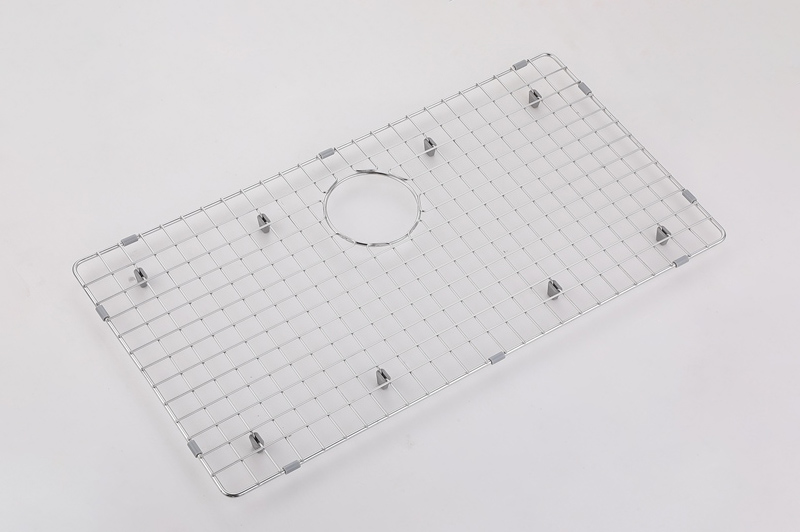
Sink grids, also known as sink protectors or bottom grids, are stainless steel frames that sit at the bottom of the sink bowl. They serve as a barrier between heavy cookware and the sink surface, preventing scratches, dents, and chipping. However, their design is not just about protection. A well-crafted grid ensures proper water circulation beneath dishes and cookware.
Modern sink grids, like those offered by ZHENGYONG, are built with precision spacing between the wires and a raised structure that allows water to flow freely underneath. This ensures that even when the sink is full of dishes, food particles and water can move efficiently toward the drain opening.
The grid’s function can be summarized as both protective and hydrodynamic—it shields the sink surface while maintaining optimal water movement. This makes it an essential accessory for households that use their sinks heavily or have premium stainless steel or granite composite sinks that benefit from additional protection.
A common concern is that a sink grid might block or slow down drainage. In reality, when designed properly, it enhances rather than prevents water flow. The open-wire structure and raised feet create clearance between the grid and the sink floor, ensuring that water moves smoothly to the drain.
The key lies in engineering precision:
| Design Element | Function | Effect on Water Flow |
|---|---|---|
| Wire spacing | Creates open channels for liquid movement | Prevents standing water or blockage |
| Raised rubber feet | Lifts the grid above the sink base | Ensures free drainage underneath |
| Center cutout | Aligns with the drain opening | Directs water and debris efficiently |
| Sloped sink bottom compatibility | Matches sink angle | Keeps flow continuous toward drain |
If a grid has poor spacing or a flat structure, it may cause slight pooling. However, grids like those from ZHENGYONG are tailored to fit each sink’s dimensions and slope precisely. Their stainless steel frames are contoured with smooth edges and slightly inclined feet to maintain the intended flow path of the sink bowl.
In fact, during high-volume dishwashing, the grid actually improves drainage by preventing dishes or pans from covering the drain opening. Without a grid, cookware may sit directly over the drain and trap water. With a grid, water escapes freely through the open frame beneath the utensils.
To understand why sink grids do not prevent water flow, it helps to look at the engineering principles behind them. A well-designed grid incorporates both ergonomic and hydraulic factors to keep the sink efficient.
Each intersecting wire of a grid creates multiple drainage paths. Instead of water pooling in one spot, it disperses evenly through the grid’s network of openings. This reduces residue buildup and speeds up overall drying.
Most premium grids maintain a clearance height of 6–12 mm between the grid and the sink floor. This gap ensures a sufficient layer of air and space for water to move freely beneath items. ZHENGYONG grids are engineered to balance this height precisely—high enough for drainage, low enough to keep cookware stable.
Every sink model has a unique drain position—center, rear-set, or offset. High-end grids feature custom cutouts that align perfectly with the drain hole. This means that when the faucet is running, water finds the shortest and clearest path to exit.
The polished stainless steel surface not only resists corrosion but also reduces friction, allowing water droplets to glide smoothly along the wires. This hydrophobic effect minimizes standing water and maintains sink cleanliness over time.
Choosing a professional-grade sink grid ensures that you get the best of both durability and water flow efficiency. ZHENGYONG has refined its Kitchen sink bottom grid Series through years of precision metalwork, focusing on structure, finish, and drainage performance.
Each grid is designed to match the sink’s inner contour and drain position. This tailored fit eliminates interference with drainage and prevents water from pooling in corners.
ZHENGYONG uses heavy-gauge stainless steel wire with reinforced welding at every joint. The solid structure prevents bending or collapsing under the weight of cookware while maintaining even spacing for continuous water flow.
The non-marking rubber feet elevate the grid slightly while protecting the sink surface. They create just the right amount of clearance to keep water moving freely.
The polished chrome or brushed finish resists staining and oxidation. Even after long-term contact with water, the grid maintains its smooth surface, ensuring no clogging or dirt accumulation along the wires.
Because water flows unobstructed under the grid, residue does not collect easily. Rinsing with warm water quickly removes debris, maintaining both the sink and the grid in sanitary condition.
ZHENGYONG’s design philosophy ensures that every detail—from curvature to wire spacing—is optimized for both practical protection and seamless drainage, ensuring a superior user experience in any modern kitchen.
Even with a high-quality sink grid, proper use and maintenance ensure the best drainage performance.
A grid should match the sink’s internal shape and drain location. Oversized or undersized grids can misalign with the drainage hole, slightly affecting flow. Always select a model designed specifically for your sink dimensions, such as those available from ZHENGYONG.
Mineral deposits or food residues can collect along the wires if left uncleaned for long periods. Routine rinsing and occasional soaking in mild detergent help maintain optimal water movement.
Even though the grid has a drain cutout, large food scraps can still slow down water flow. Use a strainer basket under the grid to capture debris while allowing water to pass freely.
When washing large pots or trays, avoid placing them directly over the drain for extended periods. The grid supports even weight distribution but keeping the drain area open will maximize flow efficiency.
Rubber feet or bumpers may wear over time, reducing clearance. Replacing them ensures the grid maintains its designed height and water passage capacity.
Sink grids do not prevent water flow—on the contrary, they are designed to enhance drainage efficiency while protecting your sink’s surface. When manufactured with precision engineering and fitted correctly, they promote smoother water circulation and keep dishes elevated for faster drying. The key is choosing a well-designed grid made from durable materials and tailored to your sink’s structure.
ZHENGYONG offers a full line of Kitchen Sink Bottom Grids crafted for maximum water flow and long-lasting performance. Each grid is engineered for protection, hygiene, and hydrodynamic excellence—ensuring that your sink remains both beautiful and highly functional for years to come.