A stainless steel sink is built for daily impact, heat, and frequent rinsing. Over time, however, the bottom of the basin takes the most abuse. Heavy cookware, sharp-edged trays, cast-iron pans, and even repeated contact from plates can leave scratches, dull spots, and small dents. That is why many homeowners, designers, and commercial kitchen buyers add a sink bottom grid.
A sink grid is a fitted metal rack that sits slightly above the sink base. It creates a protective buffer between cookware and the sink surface, while still allowing water to drain freely. For stainless steel sinks especially, the grid is not an accessory for looks. It is a practical component that extends sink appearance, reduces maintenance workload, and improves day-to-day use.
If you are sourcing bottom grids for stainless sinks, ZHENGYONG kitchen sink bottom grids are designed to match real kitchen conditions with stable materials, accurate sizing, and consistent manufacturing for bulk projects.
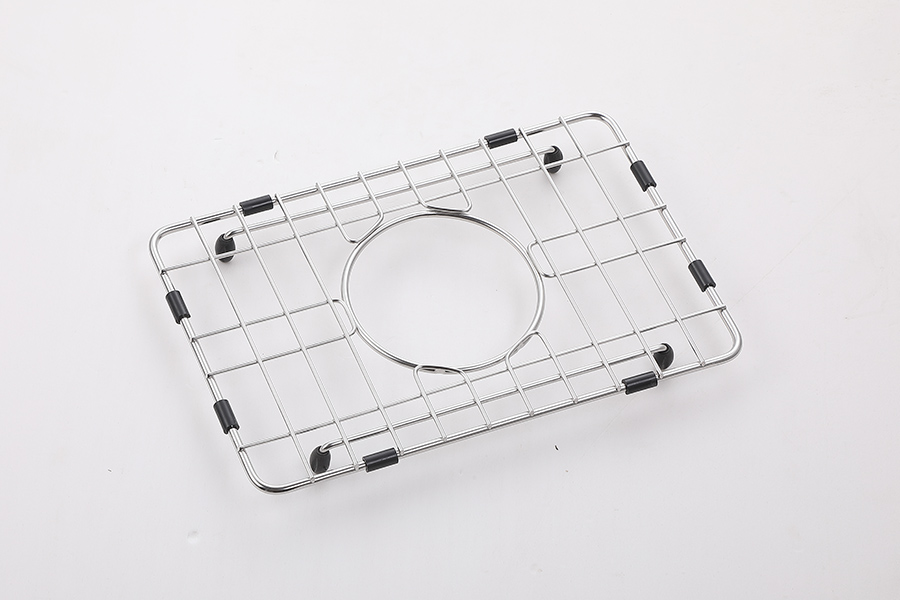
Stainless steel is durable, but it is not scratch-proof. The most visible scratches usually happen at the center of the sink where pots are set down repeatedly. A bottom grid separates direct contact points, so the pan or plate touches the grid instead of the sink surface.
This protection is especially valuable in these situations:
Large stainless sinks used for meal prep, where cookware is moved constantly
New installations where maintaining a clean brushed finish matters
Rental properties and hospitality kitchens where sinks must stay presentable longer
Commercial kitchens where heavy pots and metal trays are routine
A grid helps reduce cosmetic damage and slows down the dulling that comes from friction and repeated impact on one spot.
A sink bottom grid lifts items slightly above the base, which prevents bowls or pans from sealing against the drain area. This makes drainage more consistent and reduces the chance of water pooling under large flat-bottom cookware.
Better drainage supports:
Faster drying for cookware and utensils
Less water spotting on the sink bottom
Reduced chance of odor caused by stagnant water around food residue
Cleaner workflow when rinsing and stacking items in the basin
For kitchens that use the sink as a temporary holding area during cooking, a grid makes the basin behave more like a draining station without requiring a separate rack.
Stainless steel sinks can amplify sound. The clatter of a pot, the impact of a pan being set down, and the scraping of plates are louder when metal touches metal. A bottom grid adds separation and reduces direct vibration transfer to the sink body.
This is practical in:
Open-plan kitchens where sink noise travels into living areas
Apartments where noise control matters for neighbors
Commercial or café prep spaces where sound levels affect customer experience
A grid does not eliminate noise completely, but it can noticeably reduce sharp impact sound and repetitive scraping.
Thicker stainless sinks resist dents better, but even strong sinks can show small deformation when heavy cookware is dropped or pressed hard onto the base. A grid spreads load across multiple support points rather than concentrating force on one spot.
In projects where durability is evaluated over years, not months, the grid becomes a simple way to reduce long-term damage risk, especially in:
Institutional kitchens
Catering operations
Rental units with frequent user turnover
Many sink cleaning problems are not about sanitation, they are about appearance. Scratches collect mineral residue and make the sink look older even when it is clean. A bottom grid reduces new scratch formation and keeps the base looking more consistent.
A grid also improves cleaning workflow:
Food scraps are less likely to smear across the sink base under a pan
You can lift the grid to wipe underneath when needed
The sink surface stays more uniform, which reduces the time needed for polishing
For stainless sinks with a brushed finish, maintaining an even look is often the biggest challenge. A grid makes that much easier.
Many users do more than wash dishes in a stainless sink. They rinse produce, thaw frozen food, drain pasta, soak pans, or cool hot cookware. A bottom grid helps the sink handle these tasks with less wear.
Examples of common routines where a grid helps:
Resting hot pans briefly after cooking
Soaking heavy cookware without scraping the base
Stacking plates while washing a batch of dishes
Using the sink for prep rinsing and temporary storage during cooking
This is why sink grids are frequently specified in higher-end kitchen designs and in commercial sinks used for both washing and prep.
Not all sink grids perform equally. A grid must fit the basin well, stay stable during use, and resist corrosion. Poorly made grids can rock, bend, or leave marks.
Accurate fit
The grid should match sink length, width, and corner radius so it sits flat and does not slide around.
Stable structure
A stronger wire layout and solid support feet help prevent wobble under heavy cookware.
Corrosion resistance
Materials and finishing should resist rust in humid environments and under repeated exposure to detergents.
Surface-safe contact points
Feet or bumpers should protect the sink surface and avoid leaving marks while keeping the grid elevated.
Easy lifting and handling
A good grid should be easy to remove for cleaning without sharp edges or unstable weld points.
When a grid is used every day, consistency matters. For overseas buyers and project-based sourcing, the main risks are sizing mismatch, unstable welding, and inconsistent finishing between batches. ZHENGYONG focuses on supplying sink bottom grids that match practical installation and usage needs, supporting repeatable production for ongoing orders.
With ZHENGYONG kitchen sink bottom grids, you can source grids designed for real kitchen environments, with a product approach that supports:
Fit and specification alignment for different sink models and basin sizes
Stable production for consistent batch quality
Suitable supply for B2B purchasing and project delivery cycles
If you are specifying grids for a sink program or a multi-unit project, matching the grid to sink geometry and usage pattern is the fastest way to reduce complaints and improve user satisfaction.
| Use factor | With bottom grid | Without bottom grid |
|---|---|---|
| Scratch protection | Reduces direct contact wear on sink base | Sink base scratches accumulate faster |
| Drainage behavior | Items sit above water, drainage stays open | Flat cookware can trap water and slow draining |
| Noise control | Less metal-to-metal impact noise | Louder clatter and scraping sound |
| Appearance over time | Sink finish stays more consistent | Dull spots and visible wear appear sooner |
| Cleaning effort | Easier to maintain a clean-looking basin | More time spent removing scratches and residue |
Sink grids are used in stainless steel sinks because they solve real daily problems: they protect the basin from scratches and dents, improve drainage, reduce noise, and make the sink easier to maintain over time. For homeowners and commercial users, a grid is a simple upgrade that extends the sink’s appearance and improves usability without changing the sink itself.
If you are sourcing grids for stainless sink programs, hospitality projects, or retail distribution, start with a product that prioritizes fit, stability, and corrosion resistance. You can explore ZHENGYONG kitchen sink bottom grids to match your sink models and purchasing needs.