A stainless steel sink is built to handle daily use, but the sink bottom is still the most abused area. Heavy pots get dragged, utensils fall, and sharp-edged cookware corners rub against the surface. Over time, this contact creates visible scratches, dull patches, and in some cases deeper scuff marks that are hard to clean away.
A sink bottom grid is designed to reduce that damage. It does not make a sink scratch-proof, but it can significantly reduce the most common scratch scenarios by keeping cookware slightly raised and by changing how impact and friction reach the sink surface. This article explains what sink grids can and cannot prevent, how to choose the right grid, and how to use it correctly for maximum protection.
For buyers and project customers who want stable quality and consistent fit, ZHENGYONG kitchen sink bottom grids are built to protect sink surfaces while keeping the sink usable for real kitchen workflows.
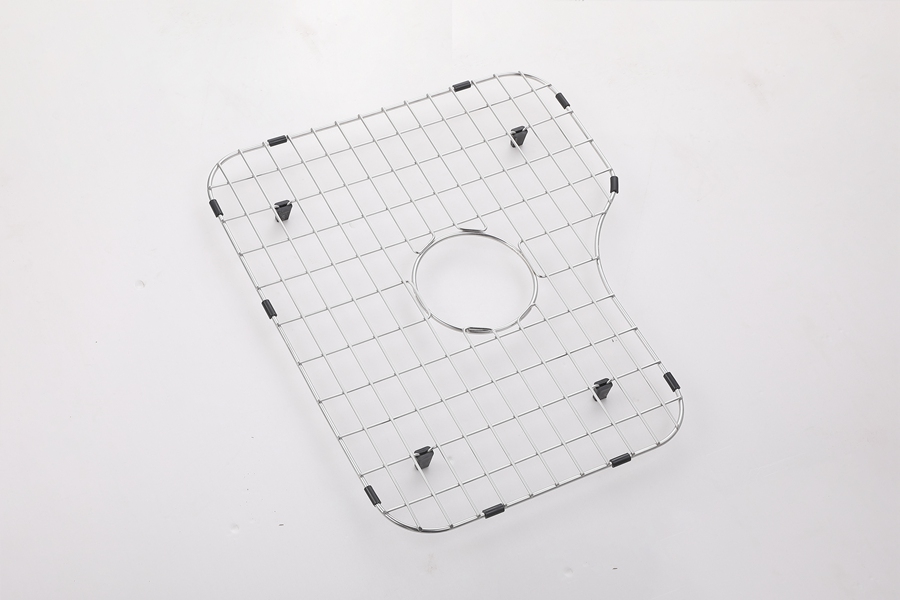
Stainless steel is durable, but it is not immune to abrasion. Most sink scratches come from repeated friction rather than a single event. The most common sources include:
Dragging cookware such as cast iron, stainless pans, stock pots, and baking trays across the sink bottom
Abrasive particles like sand, coffee grounds, rice, and tiny metal fragments trapped under a pot
Dropping impact from utensils, knives, or cookware corners hitting the sink floor
Stacking and twisting when multiple items are piled in the sink and rotate against the surface during washing
Cleaning tools such as rough scouring pads used with high pressure, especially on brushed finishes
A sink grid addresses several of these directly by creating a barrier and reducing direct metal-to-metal contact.
Yes, in most daily-use situations a sink grid can reduce scratching, but the level of protection depends on design, fit, and how it is used.
A sink grid helps in three main ways:
The grid creates a raised platform so pots and pans sit on the grid instead of the sink surface. This reduces scratch risk from dragging, twisting, and heavy pressure points.
Even if cookware moves, the contact is now between cookware and grid, not cookware and sink. That shifts wear away from the sink finish, which is usually the part homeowners care most about.
When a utensil drops, the grid can absorb part of the shock and prevent direct impact to the sink bottom, especially in the center area where drops are most common.
A grid cannot eliminate all scratches because some scratches come from sidewall contact, trapped grit, and misuse. But for typical washing and prep routines, a well-fitted grid is one of the simplest and most cost-effective protection upgrades.
To set correct expectations for customers, it helps to be clear about limitations.
A sink grid may not fully prevent scratches in these cases:
Grit trapped on the grid
If sand or metal particles sit on the grid, cookware movement can grind debris and still create marking. Regular rinsing reduces this risk.
Sidewall scratches
A bottom grid mainly protects the sink floor. If users bang pot edges into sink walls, the grid does not protect that area.
Deep gouges from sharp edges
Extremely sharp corners, heavy impact, or deliberate scraping can still leave marks, especially if the sink finish is brushed.
Wear over time on the grid itself
The grid will take the abrasion instead of the sink. That is the point, but it means the grid surface may show wear first.
For many buyers, replacing a grid is easier than restoring a sink finish, which is why grids are commonly included in premium sink packages.
Not all grids protect equally. If the goal is scratch prevention, the following selection points matter more than appearance.
A grid should sit flat and stable, without rocking. A poor-fit grid moves under cookware, increasing friction and noise and reducing protection. For program sourcing, buyers should match grid dimensions to sink bowl size and corner radius.
Protection depends on how the grid touches the sink. Well-designed support feet keep the grid elevated and reduce metal contact on the sink bottom.
A stronger structure spreads load across the grid instead of creating concentrated pressure points. This matters for heavy cookware like stock pots and cast iron.
A consistent surface is less likely to trap grime, and it rinses faster. For buyers, surface consistency also improves visual quality for retail packaging.
ZHENGYONG kitchen sink bottom grids are developed to match real sink use, focusing on stable fit, practical structure, and repeatable production standards for long-term sourcing programs.
This checklist is useful for procurement teams evaluating supplier samples.
Grid sits flat without rocking
Support feet provide stable elevation
Edges are smooth and safe for handling
Structure supports heavy cookware without deformation
Rinses clean easily with normal water flow
Matches sink drain position and bowl geometry
Consistent finishing and stable weld quality across samples
For OEM and wholesale programs, these points reduce complaint risk and improve customer satisfaction.
Some customers compare grids with sink mats or protective pads. Each has a different function.
| Protection option | Scratch protection | Heat resistance | Water drainage | Cleanability | Best use case |
|---|---|---|---|---|---|
| stainless steel sink grid | Strong for bottom scratches | High | Good airflow and drainage | Easy with rinsing | Daily washing and cookware protection |
| Silicone sink mat | Moderate | Varies by material | Can trap water | Needs frequent cleaning | Light-duty home sinks |
| Rubber pad | Moderate | Limited | Often blocks drainage | Can trap residue | Temporary protection |
| No protection | None | Not applicable | Not applicable | Not applicable | Not recommended for premium sinks |
For stainless steel sinks used with heavy cookware, grids are often the most practical option because they protect while still allowing drainage and airflow.
Even the best grid works better with correct habits. These are practical, easy rules that also help buyers write care instructions.
Rinse debris off the grid daily
Quick rinsing removes abrasive particles that can cause grinding marks.
Lift cookware when possible instead of dragging
The grid reduces scratch risk, but lifting still lowers friction and noise.
Clean under the grid regularly
Once or twice a week, lift the grid and rinse the sink bottom to remove trapped residue.
Avoid harsh scouring pads on the sink finish
Many visible marks come from aggressive cleaning rather than cookware.
Choose the correct grid size for the sink bowl
A loose grid shifts. Movement increases abrasion and defeats the purpose.
In real market feedback, many sink grid complaints are not about the concept. They are about fit, instability, and inconsistent finishing between batches. For importers, sink brands, and wholesalers, stable production standards are critical.
ZHENGYONG focuses on sink bottom grids that support program sourcing with consistent fit and practical performance. When you build a long-term grid SKU, repeatability matters, because the grid has to match the sink model every time.
You can review the grid range here: ZHENGYONG kitchen sink bottom grids.
Sink grids do prevent scratches in the way most customers mean it: they reduce direct contact, friction, and impact between cookware and the sink bottom. A grid will not stop every possible scratch scenario, but it can greatly reduce daily wear, keep the sink looking cleaner longer, and shift abrasion to a replaceable accessory instead of the sink finish itself.
For buyers who want reliable protection performance and stable supply for sink accessory programs, ZHENGYONG kitchen sink bottom grids are designed for practical use, consistent fit, and long-term sourcing needs.