A kitchen sink bottom grid does more than sit at the bottom of the basin. It helps protect the sink surface from scratches, reduces impact from heavy cookware, and improves day-to-day usability by lifting dishes and pans slightly above the sink floor so water can drain more freely. Like any sink accessory that faces constant exposure to water, detergents, food acids, and contact friction, a bottom grid needs correct maintenance to keep its appearance, keep its protective pads intact, and maintain stable fit over time.
This guide explains practical maintenance steps that homeowners and property managers can follow, along with common mistakes to avoid. It also shows what to look for in a well-made grid and why a precision-built grid from ZHENGYONG can make maintenance easier long term. For product details and sink-fit options, visit: kitchen sink bottom grid
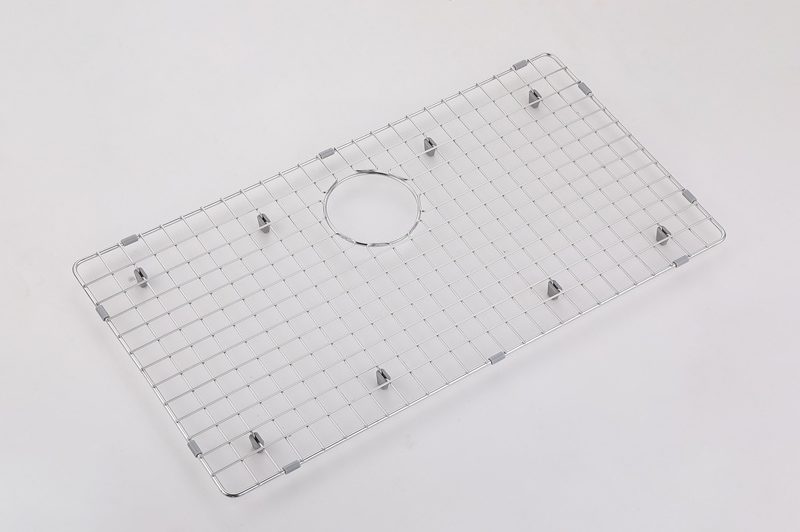
Many people only clean the sink itself and overlook the grid, but the grid is often the first surface that collects mineral deposits, soap residue, and tiny food particles. If these residues are left in place, they can harden and cause discoloration, build odor over time, and create micro-abrasion points that reduce the grid’s finish quality. In hard-water areas, mineral scale can build around welds and corners first, making the grid look old even when the sink is still in excellent condition.
Maintenance also protects the components that make a bottom grid functional. Most grids rely on protective feet or bumpers to keep metal from contacting the sink floor. If these bumpers loosen, wear down, or fall off, the grid can begin to move, rattle, or scratch the basin. Regular care extends the life of both the grid and the sink, and helps the grid continue to perform its job as a stable protective layer.
A simple routine prevents most grid problems before they start. The key is frequency and the order of steps, because letting residue dry is what creates the tough film that later requires aggressive scrubbing.
After heavy cooking or washing
Rinse the grid with warm water and flush away trapped debris. Pay attention to corners and the area around the drain cutout, because residue often collects there first.
Light wipe after rinsing
Use a soft sponge or cloth with mild dish soap to wipe the top and underside surfaces. This removes oils and detergent residue that would otherwise dry into a dull layer.
Weekly deeper clean
Remove the grid from the sink and wash it fully on both sides. This prevents hidden buildup under the grid, which is where odor and discoloration typically begin.
Drying matters
If your water is hard, drying the grid after cleaning helps reduce mineral spotting. You do not need to hand-dry every day, but frequent drying significantly reduces long-term scale.
A well-fitted grid makes this routine easier. When the grid is sized accurately for the sink, it lifts out smoothly, sits stable, and reduces friction points that trap debris. ZHENGYONG designs sink-bottom grids for reliable fit and stable placement so everyday cleaning is not inconvenient. See sink-fit options here: kitchen sink bottom grid
Many users see brown or rainbow-like discoloration and assume the grid is rusting. In most cases, the discoloration is not structural corrosion but surface staining from minerals, iron deposits in water, or residues reacting with heat and food acids. The safest approach is to start with the mildest method and only step up if needed.
Hard-water spots and mineral film
Use a vinegar-and-water solution or a mild descaling cleaner safe for stainless surfaces. Let it sit briefly, then wipe with a non-abrasive sponge. Avoid leaving acidic solutions on for extended periods, especially if the grid has rubber feet.
Tea, coffee, and food-acid stains
Baking soda paste is effective for removing organic stains without harsh abrasion. Apply, wait a few minutes, then gently rub with a soft cloth along the direction of the finish.
Rust-colored marks from external sources
Sometimes the mark comes from metal cookware, cast iron, or steel wool fragments, not from the grid itself. A stainless-safe cleaner can remove these transfers. The key is to avoid aggressive tools that scratch the grid finish.
If a grid is manufactured with consistent welding quality and smooth finishing, stains release more easily because residue has fewer micro-pockets to cling to. This is one reason many buyers prefer grids produced with stable workmanship and controlled finishing quality.
Most finish damage comes from cleaning choices rather than daily use. A bottom grid is designed for contact with cookware, so it is robust, but certain tools and chemicals can create permanent scratches or dullness quickly.
Avoid these common mistakes:
Steel wool, wire brushes, and abrasive pads
These can scratch the finish, create dull zones, and leave metal fragments that later create discoloration.
Chlorine bleach and harsh chlorides
Chlorine-based products can attack stainless surfaces and can also degrade rubber or silicone feet. If bleach is used elsewhere in the sink area, rinse the grid thoroughly afterward.
Leaving acidic food residue for long periods
Citrus, vinegar, and some sauces can stain if left sitting while wet, especially if combined with heat.
Dishwasher cleaning without checking bumper material
Some grids can be dishwasher-safe depending on materials and bumper design. However, repeated high heat can accelerate bumper wear. If you prefer dishwasher cleaning, confirm the grid is designed for it and inspect bumpers regularly.
When a grid is designed with quality materials and stable protective feet, maintenance becomes more forgiving because the grid resists shifting and reduces metal-to-metal contact. ZHENGYONG grids are built for sink protection and long-term daily use, which supports easier upkeep for households and property projects. Product details are here: kitchen sink bottom grid
The most overlooked maintenance task is inspecting the grid bumpers. These small components are critical because they separate the metal grid from the sink floor. When bumpers wear out, users often notice noise, sliding, or new scratches in the basin.
Practical bumper care includes:
Check bumpers during weekly cleaning
Look for cracks, flattening, loosened adhesive, or missing pieces.
Clean bumpers gently
Use mild soap and water. Avoid strong solvents because they can harden or weaken rubber and silicone.
Prevent grit under the bumpers
Small particles trapped under feet can act like sandpaper. Removing the grid and rinsing the sink floor reduces this risk.
Replace before failure
If bumpers are worn, replace them early. Delaying replacement increases the chance of sink damage.
A well-engineered bottom grid is designed to sit stable and distribute weight evenly, which reduces bumper stress and extends bumper life. This is also why accurate sizing and consistent manufacturing matter as much as the material itself.
Many maintenance questions follow the same patterns. The table below provides quick diagnosis and practical actions that do not require special tools.
| Issue | What it usually means | What to do | What to avoid |
|---|---|---|---|
| Grid looks dull even after rinsing | soap film or mineral layer | mild soap wash, then vinegar-water wipe, rinse well | abrasive pads that scratch the finish |
| Brown spots appear near corners | mineral deposits or external metal transfer | stainless-safe cleaner, gentle rub, rinse and dry | leaving chlorine products on the surface |
| Grid slides or rattles | worn or missing bumpers | inspect and replace bumpers, clean sink floor | using the grid without bumpers |
| Odor under the grid | trapped food residue under grid | remove grid, clean underside and sink floor weekly | letting residue dry in place |
| Water drains slowly around grid | debris trapped near drain cutout | lift grid, clear drain area, rinse frequently | forcing debris through drain with the grid in place |
| Scratches appear on sink floor | grit under grid feet or missing bumpers | remove grit, replace bumpers, rinse floor regularly | continuing use after a bumper falls off |
When buyers choose a bottom grid that fits correctly and is finished consistently, many of these issues occur less often because the grid sits stable, cleans more easily, and maintains separation from the sink surface.
Maintenance is not only a user responsibility. Product design directly affects how easily a grid stays clean and how well it protects the sink over time. ZHENGYONG provides Kitchen Sink Bottom Grids built to support practical long-term use, with advantages that matter to homeowners, distributors, and project buyers.
Sink-fit accuracy for stable placement
A grid that fits correctly is easier to lift, rinse, and reinstall. Stable placement also reduces friction points that trap debris and accelerate bumper wear.
Protective design that reduces sink contact risk
A quality grid relies on stable feet placement and balanced structure to keep the metal surface away from the sink floor, helping protect the basin finish.
Consistent workmanship for easier cleaning
Smooth finishing and stable welding reduce small crevices where scale and residue can accumulate, which makes weekly cleaning faster and more effective.
Practical options for different sink styles
Different sinks have different drain positions and bowl geometries. A well-designed product line supports better matching and fewer fit issues.
For sink-fit options and product details, visit: kitchen sink bottom grid
A kitchen sink bottom grid stays in constant contact with water, detergents, cookware, and daily residue, so routine maintenance is the simplest way to keep it looking clean and performing its protective role. Regular rinsing, mild weekly cleaning, safe stain removal methods, and bumper inspection prevent most problems such as dullness, mineral buildup, odor, and sink scratches. Avoid abrasive tools and harsh chemicals that can damage the finish or weaken protective feet.
If you want a bottom grid that is easier to maintain and more reliable for long-term sink protection, ZHENGYONG provides sink-fit solutions designed for stable placement, consistent finishing, and practical daily use. Learn more here: kitchen sink bottom grid