A Dish Drying Rack is not only a place to put plates after washing. It is a daily workflow tool that affects how quickly your kitchen dries, how much counter space remains usable, and how easy it is to keep the sink area clean. The most common choice comes down to a simple question: should you use a single-tier rack or a double-tier rack. Both can work, but each fits a different kitchen layout, washing habit, and storage strategy.
This guide compares both designs in a practical way, focusing on capacity, stability, cleaning effort, and real counter usage. It also explains what to look for in a well-made rack so your purchase decision is based on long-term usability, not only on appearance. For product details and size options from ZHENGYONG, visit: dish drying rack
Most kitchens are limited by one of two constraints: horizontal counter space or vertical clearance. A rack decision should begin with the constraint that actually affects your daily routine.
If your kitchen has limited counter width near the sink, you likely need a rack that dries efficiently without spreading across the worktop.
If your kitchen has overhead cabinets close to the sink, tall racks can become inconvenient because they block access or feel cramped when you load plates.
If you frequently prep food next to the sink, the best rack is the one that preserves a clean, open work zone while keeping dripping items contained.
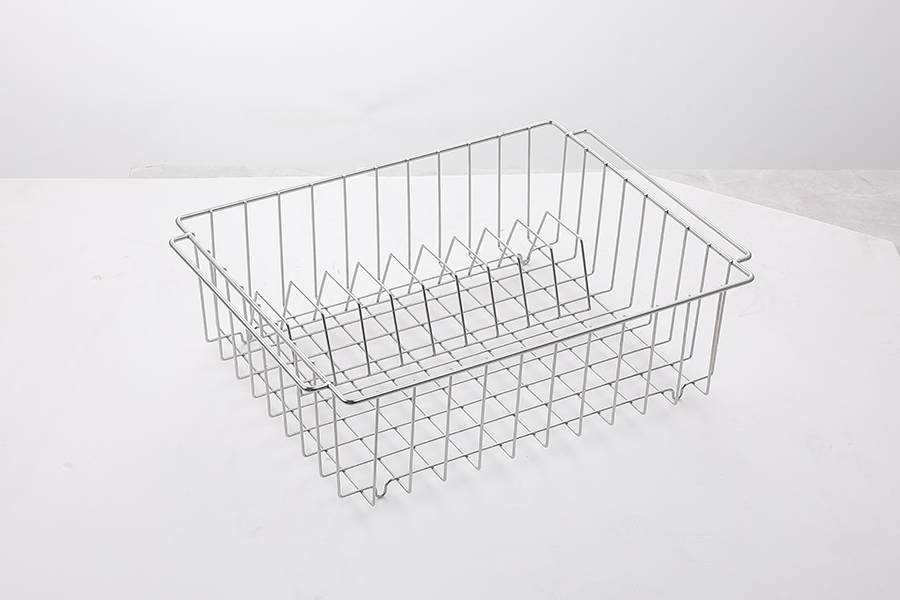
Single-tier racks are often selected because they manage these constraints in a balanced way. They typically feel less bulky, integrate more naturally into the sink area, and keep the kitchen visually open while still offering strong daily drying capacity.
Many buyers assume a double-tier rack dries faster because it holds more dishes. In reality, drying speed depends on airflow, spacing, and drainage control.
A single-tier rack often provides better airflow around each item because dishes are placed in one layer with fewer shadowed areas. When plates and bowls are not stacked above or below each other, water evaporates more evenly. This can reduce the time dishes stay damp and helps prevent water spotting, especially on glassware and polished utensils.
A double-tier rack can increase capacity, but it can also create areas where airflow is reduced, especially under the upper tier and around tightly packed bowls. If the lower tier stays shaded and water drips from above, it may dry slower unless the rack design has strong drainage guidance and sufficient spacing.
In many daily kitchens, the best drying outcome comes from a rack that keeps items separated, encourages airflow, and drains water away from the counter. These are reasons many households prefer a well-designed single-tier rack with smart layout rather than a tall rack that only increases vertical storage.
A dish rack holds more than plates. It often supports cutting boards, heavy bowls, and cookware that can shift during loading. Height affects stability in a way that buyers notice immediately in daily use.
Double-tier racks can become top-heavy when the upper tier is loaded with plates and the lower tier holds heavier bowls or cookware. If the structure is not rigid, the rack may wobble when you pull out a dish.
Single-tier racks usually keep weight closer to the counter and feel more stable during fast loading, especially when dishes are placed quickly after washing.
For households that wash heavy cookware frequently, a lower center of gravity reduces the risk of tipping or sliding.
Stability is not only about comfort. A stable rack reduces the chance of chips on plates, broken glasses, and water splashing out of the drying zone. This is one reason many buyers value a sturdy single-tier rack built with strong structure and reliable feet.
Dish racks sit in one of the wettest areas of the kitchen. If the design is hard to clean, residue builds up quickly and affects hygiene, smell, and appearance.
multiple corners and narrow gaps where food residue collects
stacked surfaces where water drips and stays trapped
poorly guided drainage that leaves standing water
removable parts that are difficult to reassemble or that loosen over time
Double-tier racks can increase cleaning effort simply because there are more joints, more corners, and more areas where water remains after use. Single-tier racks are often easier to rinse and wipe because the structure is simpler, and the user can access all surfaces more easily.
When selecting a rack, consider how you will clean it weekly. A rack that is easy to wipe down reduces long-term buildup and keeps the sink area looking cleaner with less effort.
The right choice depends on how your kitchen is used, not only on kitchen size. Below are common kitchen profiles and what usually works best.
compact kitchens where counter space is limited but overhead clearance matters
kitchens with cabinets close to the sink where tall racks feel crowded
households that wash smaller loads more frequently rather than stacking large loads
kitchens where the sink area is part of the main food prep zone
users who want fast drying with strong airflow and easy wipe-down cleaning
households that wash large volumes at once and prioritize storage capacity
kitchens with enough vertical clearance and a dedicated sink zone
users who prefer to keep more items drying at the same time, including cups and bowls
Even if a kitchen fits the double-tier profile, many users still prefer a high-capacity single-tier rack if it offers efficient layout and good drainage, because the rack feels simpler, more stable, and easier to keep clean.
For ZHENGYONG rack options designed for practical everyday use, see: dish drying rack
The table below summarizes the key differences in a practical way.
| Decision factor | Single-tier rack | Double-tier rack |
|---|---|---|
| Counter footprint | Often moderate and predictable | Can be smaller footprint, but taller structure |
| Vertical clearance needs | Lower, fits under cabinets more easily | Higher, may conflict with cabinets or shelves |
| Drying airflow | Typically stronger due to single layer | Can be reduced in lower tier depending on design |
| Loading stability | Usually more stable with low center of gravity | Can feel top-heavy when fully loaded |
| Cleaning effort | Typically easier due to simpler structure | Often higher due to more joints and drip areas |
| Best daily routine fit | frequent small to medium loads | infrequent large loads |
| Visual impact | lighter and cleaner look near sink | more prominent in the kitchen |
A good decision is the one that matches your routine. Many kitchens benefit more from simpler, stable daily performance than from maximum storage capacity.
A dish rack becomes part of daily kitchen operations, so quality and usability matter more than small differences in capacity. ZHENGYONG focuses on practical rack performance so users can dry dishes efficiently while keeping the sink area clean and organized.
Key advantages you can expect from a well-built ZHENGYONG dish rack include:
Stable structure for daily loading
A rack should stay steady when you place heavy plates and bowls quickly after washing. Stability improves safety and keeps the drying zone controlled.
Practical layout that supports airflow
Drying efficiency depends on spacing and drainage behavior. A smart layout keeps dishes separated and helps water leave surfaces faster.
Easier weekly cleaning
A rack that is accessible and simple to wipe helps reduce residue buildup and keeps the sink area cleaner long term.
Sink-area compatibility
A good rack should fit naturally beside the sink and support a smooth kitchen routine without blocking prep space.
To view available configurations and product details, visit: dish drying rack
Choosing between a single-tier and double-tier dish drying rack should be based on how your kitchen handles space, how often you wash dishes, and how much you value stability and easy cleaning. Double-tier racks can offer more vertical capacity, but they may require more clearance and more maintenance. Single-tier racks often provide stronger airflow, a more stable loading experience, and a simpler structure that stays easier to clean over time, making them a practical fit for many kitchens.
If you want a dish drying rack designed for stable daily use, efficient drying, and sink-area organization, ZHENGYONG offers solutions built for long-term kitchen routines. Explore options here: dish drying rack