Kitchen hygiene is not only about what you wash, but also about what stays wet, what traps residue, and what becomes difficult to clean over time. A bottom grid sits in one of the most exposed areas of the kitchen. It handles constant contact with water, food particles, detergents, and cookware impact. Because of that, material choice affects more than appearance. It changes how the grid resists odor, how easily biofilm can form in hidden corners, and how reliable the accessory remains after months of daily use.
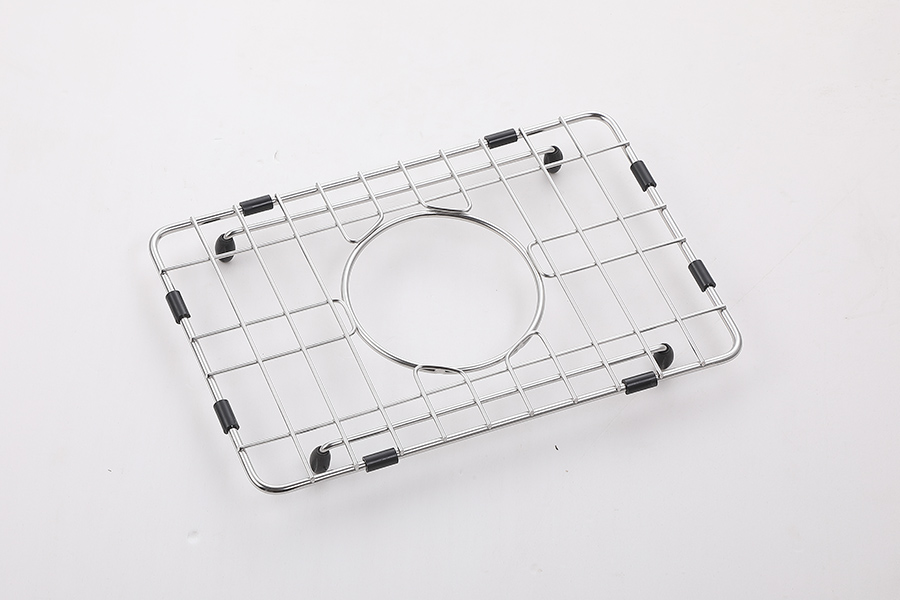
Although many people compare PVC and stainless steel for sink bottom grids, the hygiene question is best answered through daily behavior: how each material handles moisture, cleaning agents, surface wear, and residue trapping. This article breaks down those factors in detail, and then explains what to look for in a well-designed kitchen drying solution from ZHENGYONG. For rack details and configurations, see: Kitchen Sink Bottom Grid
When people say hygienic, they usually mean three practical outcomes:
the surface is easy to clean without aggressive scrubbing
the accessory does not develop odor easily
residue does not build up in ways that are hard to see and remove
In a wet environment like a sink, hygiene is strongly influenced by surface condition over time. Even a clean surface can become less hygienic if it scratches easily, becomes porous, or traps residue around joints. That is why hygienic performance is not only about the material name, but also about durability, surface stability, and design details that prevent water from remaining trapped.
A bottom grid has a unique hygiene challenge: it stays wet longer than many other kitchen accessories because it sits close to pooled water and is covered by dishes. If water does not drain away quickly or if residue is trapped under the grid, odor and film buildup become more likely. Any material comparison should start from this reality.
PVC grids are sometimes chosen because they feel soft and can reduce contact noise. However, from a hygiene standpoint, PVC has common weak points that become obvious after long use, especially in high-temperature and high-detergent kitchens.
PVC is more likely to show wear from cookware contact. When the surface becomes scratched, microscopic grooves can hold residue and make wiping less effective. Even if you wash it, residue can remain inside tiny scratches, which increases the chance of film buildup over time.
Kitchens often expose accessories to hot water, grease cutters, and strong cleaners. PVC can degrade or discolor under certain cleaning conditions. When the surface changes, users tend to scrub harder, which further increases wear and makes long-term cleaning less predictable.
Some plastics can hold odor more easily than metal surfaces, especially if residue is allowed to sit wet. In a sink environment, where food particles can remain trapped, odor risk is a real daily issue. If the material retains smell, the user may need deeper cleaning more frequently to keep the sink area fresh.
These points do not mean PVC cannot be cleaned. They mean that hygiene depends heavily on careful cleaning routines and avoiding harsh conditions that accelerate surface wear.
Stainless steel grids are widely used in kitchens because they support stable hygiene routines without requiring special handling. In practical daily use, the hygiene advantages come from how stainless surfaces behave under repeated washing, friction, and cleaning cycles.
A stable stainless surface is less likely to absorb residue and odor. This is especially important for a sink accessory that stays wet and often contacts food residue. When residue remains on the surface, it can be rinsed and wiped more effectively because it does not soak into the material.
Sink accessories are exposed to hot water, dish soap, and occasional stronger cleaners. Stainless steel typically remains more stable under those conditions, which supports consistent cleaning results. When the surface remains stable, users can clean effectively with mild methods rather than escalating to abrasive tools.
In many kitchens, the real hygiene advantage is consistency. A surface that stays smooth and intact over time remains easier to clean month after month. If a grid remains easy to rinse, it is more likely that users maintain it properly, which becomes a practical hygiene advantage.
Material alone does not guarantee hygiene. Most hygiene problems come from design details that trap moisture and debris. Regardless of material, bottom grids become harder to keep clean when:
the underside has tight corners that trap food particles
protective feet collect grime and are hard to remove for cleaning
the grid sits unevenly and creates stagnant water pockets
the drain opening area traps residue because it is not easy to rinse
A hygienic grid should support easy rinsing and removal so the user can clean both the grid and the sink floor underneath. The best design reduces crevices, keeps contact points stable, and makes it easy to lift out the grid for weekly cleaning. These design choices often decide whether a sink accessory stays fresh or becomes a hidden odor source.
If you want the most hygienic result, routine matters as much as material. The best routine is not complicated, but it must be consistent.
After heavy cooking
Lift the grid briefly and rinse away debris trapped around the drain area. This prevents residue from drying into a sticky layer.
Weekly deep cleaning
Remove the grid completely. Wash both sides with mild dish soap and a soft sponge. Rinse thoroughly and allow it to dry.
Prevent buildup under the grid
Clean the sink floor under the grid weekly. This is where film buildup and odor most often start, especially if food particles remain trapped.
Avoid abrasive tools
Abrasive pads create scratches that make any surface harder to clean. A soft sponge and mild cleaner are enough for routine hygiene when maintenance is consistent.
Manage hard-water spotting
In hard-water areas, mineral deposits can make surfaces look dirty even when they are clean. A mild vinegar-water wipe can help remove scale, followed by thorough rinsing.
The easier the accessory is to clean, the more likely users will maintain it. That is why buyers often prefer solutions built with stable surfaces and practical structure.
The table below compares the hygiene outcomes buyers typically experience after months of daily use, not only on day one.
| Hygiene factor | PVC grid | Stainless steel grid |
|---|---|---|
| Residue release during rinsing | Can decline as surface wears | Typically consistent with stable surface |
| Odor retention risk | Often higher if residue remains trapped | Often lower with easier wipe-down cleaning |
| Tolerance to hot water and common cleaners | Can be sensitive depending on routine | Generally stable for regular kitchen cleaning |
| Surface changes over time | More prone to scratching and dullness | More likely to keep consistent cleanability |
| Weekly cleaning effort | Can increase if film builds into scratches | Often lower if routine wiping is maintained |
| Long-term hygiene consistency | Depends heavily on gentle care | More consistent for daily-use kitchens |
For kitchens that prioritize hygiene with practical cleaning effort, stainless steel grids are often considered the safer and more predictable choice.
Sink hygiene is influenced by the entire workflow around the sink, not only by one accessory. Many kitchens reduce hygiene issues by using drying and organization solutions that keep dishes elevated, reduce standing water, and keep the sink area easier to wipe down. This is where a well-designed Kitchen sink bottom grid supports better daily hygiene habits.
ZHENGYONG provides Kitchen Sink Bottom Grid solutions designed to improve sink-area order and reduce the wet clutter that often leads to odor and residue buildup. Key advantages include:
Stable organization to reduce wet congestion
When dishes are organized and elevated, water drains more effectively and surfaces dry faster. This reduces the time moisture sits near the sink.
Practical layout for daily cleaning
A rack that is easy to wipe and rinse supports better long-term hygiene. If cleaning is inconvenient, residue accumulates and hygiene declines.
Consistent structure for reliable daily use
Stability matters because a rack that wobbles or shifts tends to trap water and encourages messy loading habits.
Sink-area compatibility
A rack that fits naturally beside the sink supports a cleaner daily routine, making it easier to keep counters dry and organized.
To view the ZHENGYONG Kitchen Sink Bottom Grid options that support cleaner sink-area routines, visit: Kitchen Sink Bottom Grid
Between PVC and stainless steel kitchen sink bottom grids, stainless steel is generally considered more hygienic in long-term daily use because it tends to stay easier to clean, is less likely to absorb odor, and remains more stable under hot water and typical kitchen cleaning routines. PVC can work, but hygiene depends more heavily on gentle care and avoiding surface wear that can trap residue over time.
If your goal is a cleaner sink area overall, pairing a hygienic sink setup with a well-designed drying system makes a noticeable difference. ZHENGYONG Kitchen Sink Bottom Grid solutions help keep the sink area organized, reduce standing water around dishes, and support easier daily cleaning habits. Learn more here: Kitchen Sink Bottom Grid