sink grid rubber feet are small parts, but they do big work. They lift the bottom grid slightly off the sink surface to reduce scratching, improve drainage flow, and stop metal-on-metal noise. Because rubber feet sit at the lowest point of the sink, they collect the most residue: grease film, soap scum, mineral deposits, and tiny food particles. Over time, this buildup can cause unpleasant odor, discoloration, and even a slippery feel that makes the grid shift.
This guide explains how to clean sink grid rubber feet safely and thoroughly, how to remove buildup without damaging the rubber, and how to keep the feet hygienic over long-term use. Product reference: ZHENGYONG Kitchen Sink Bottom Grid.
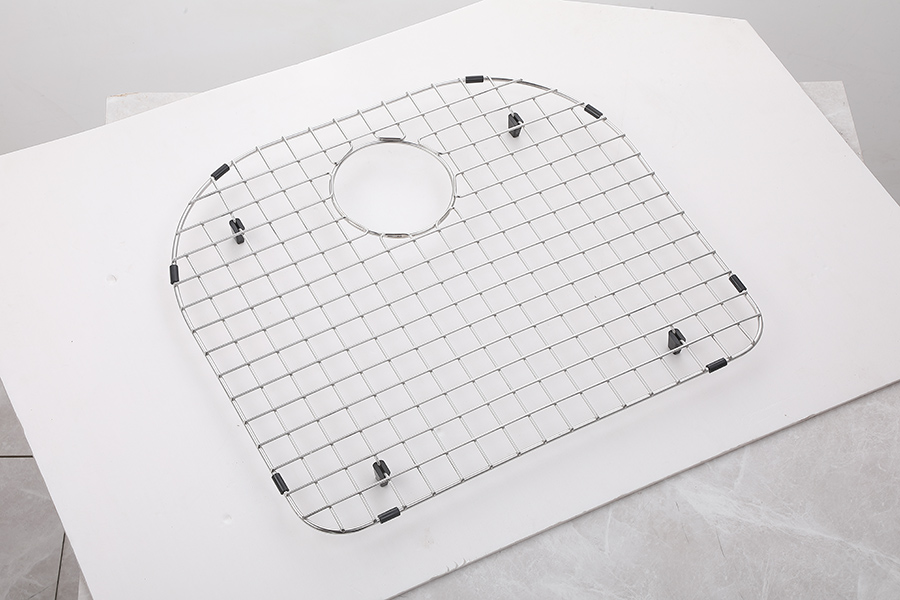
Rubber feet stay wet longer than the grid wires because they touch the sink bottom and trap a thin film of water underneath. That trapped moisture mixes with dish soap residue and food oils to form a sticky layer. In hard water areas, minerals also settle into this film, turning it into a chalky or cloudy deposit that resists basic rinsing. If your sink is used frequently for rinsing meat, vegetables, or greasy cookware, the feet can accumulate organic residue faster, which increases odor risk.
It is also common for rubber feet to darken or yellow slightly over time. Some discoloration is normal because rubber can absorb oils and pigments from foods, spices, or colored dish liquids. The goal of cleaning is to remove surface deposits and odors, not to force the rubber to look brand-new at all costs. Using harsh chemicals can shorten rubber life and increase cracking.
Cleaning rubber feet works best when you remove the grid from the sink. This allows you to clean both the feet and the sink area underneath, where residue often builds unseen.
Start by lifting the grid and shaking off loose debris. Rinse it under warm running water to remove surface oils. If the grid has been sitting in the sink for a long time, let warm water run over the feet for 20 to 30 seconds to soften the film. This makes the next cleaning step more effective and reduces the need for aggressive scrubbing.
If your grid has detachable feet, check whether they can be pulled off gently. Some designs use friction-fit or slip-on feet, while others are more fixed. If they are detachable, removing them allows deeper cleaning around the contact surface and prevents hidden buildup from returning quickly. If they are not detachable, you can still clean them effectively while attached.
The safest deep-clean approach uses mild cleaners that remove grease and minerals without drying or weakening the rubber. A practical method is a two-stage clean: degrease first, then address minerals if needed.
For grease and soap scum, use warm water and a few drops of dish soap in a bowl. Soak the grid feet area for 5 to 10 minutes. Then scrub the feet with a soft toothbrush or a small nylon brush. Focus on the underside edges, where film accumulates in a thin ring. Use controlled strokes rather than hard pressure so you do not tear the rubber.
If you see chalky deposits or feel a rough texture, minerals are present. In that case, switch to a mild acid step after degreasing. Use diluted vinegar by mixing it with water. Apply it to the feet with a cloth or soak only the feet section briefly, then brush lightly. Do not soak rubber for a very long time in acidic solutions, because extended exposure can affect flexibility for some rubber compounds. After the mineral step, rinse thoroughly.
For stubborn odor, use a gentle baking soda scrub. Make a paste with baking soda and water, apply it to the rubber feet, and brush lightly. Baking soda helps neutralize odor and lift residue without harsh chemicals. Rinse until the rubber no longer feels powdery.
Avoid chlorine bleach. Bleach can degrade rubber over time, leading to brittleness and cracking. It can also lighten rubber unevenly, which looks like damage rather than cleaning.
Not all rubber foot issues require the same method. Use the table below to match the problem to the best cleaning approach.
| What You Notice | Likely Cause | Best Cleaner | Best Tool | Rinse And Dry Notes |
|---|---|---|---|---|
| Slimy feel on feet | Grease plus soap film | Dish soap in warm water | Soft toothbrush | Rinse long enough to remove slick film |
| White chalky buildup | Hard water minerals | Diluted vinegar | Nylon brush | Rinse fully, then dry to reduce new deposits |
| Bad smell after use | Organic residue trapped | Baking soda paste | Soft brush | Let feet air dry completely before reuse |
| Dark staining | Pigments and oil absorption | Soap soak plus gentle brush | Toothbrush | Some discoloration may remain, focus on hygiene |
| Grid shifting or squeaking | Dirty contact area | Soap clean plus rinse | Cloth and brush | Dry the sink bottom before placing grid back |
After cleaning, drying is the difference between rubber feet staying clean for days versus getting slippery again quickly. Rinse the feet thoroughly with clean water, then towel-dry the feet and the grid frame. If possible, allow the grid to air dry standing upright so water drains away from the feet.
Before you place the grid back, wipe the sink bottom where the feet touch. If you reinstall a clean grid onto a dirty sink bottom, residue transfers immediately and the rubber will feel dirty again within a short time.
When reinstalling, make sure the grid sits stable and all feet contact the sink evenly. If the grid rocks, one foot may be worn, missing, or partially detached. Uneven contact can cause additional residue traps and may reduce the protection benefit.
Rubber feet stay cleaner with a simple routine:
Rinse the grid and feet after heavy washing sessions, especially after greasy cookware.
Lift the grid at least once a week to rinse underneath and wipe the sink bottom dry.
Deep clean the feet monthly if your water is hard or your sink use is heavy.
Dry the sink bottom at the end of the day to reduce mineral spotting and film buildup.
Rubber feet are consumable parts. If you notice cracking, hardening, or looseness that causes the grid to shift, replacement is usually better than over-cleaning. Worn feet reduce sink protection and can allow the grid to scratch the sink surface. Keeping feet in good condition is part of keeping the sink looking premium over time.
If you are selecting a new grid, choosing a design with stable, well-fitted rubber feet and accurate sizing improves daily experience. You can reference ZHENGYONG options in our Kitchen Sink Bottom Grid range.
To clean sink grid rubber feet, remove the grid, pre-rinse with warm water, degrease with dish soap, and then use a mild mineral-removal step only when needed. A soft toothbrush and controlled scrubbing will remove buildup without damaging the rubber. Finish by rinsing thoroughly and drying both the feet and the sink bottom before reinstalling, because moisture and residue transfer are the main reasons rubber feet get dirty again quickly.
If you are unsure whether your grid feet should be removed for cleaning, need guidance on maintenance for your sink setup, or want help choosing the right-fit grid for your sink size and drain position, contact us anytime. ZHENGYONG provides product guidance and practical support for our Kitchen Sink Bottom Grid solutions, and we can help you keep your sink protection accessories working at their best.
Previous: Are Drying Racks Worth It?