Drying racks are worth it for many kitchens because they solve a practical problem that dishwashers and towels do not fully address: controlled, hygienic air-drying with organized placement. A good Dish Drying Rack reduces countertop mess, prevents water pooling, speeds up workflow after washing, and can protect delicate items that should not go into a dishwasher. The value is even clearer in homes with limited dishwasher use, busy cooking schedules, or compact counters where standing water quickly becomes a daily irritation.
This article explains when a drying rack is truly worth buying, what benefits you should expect in real use, and how to choose the right design for long-term performance.
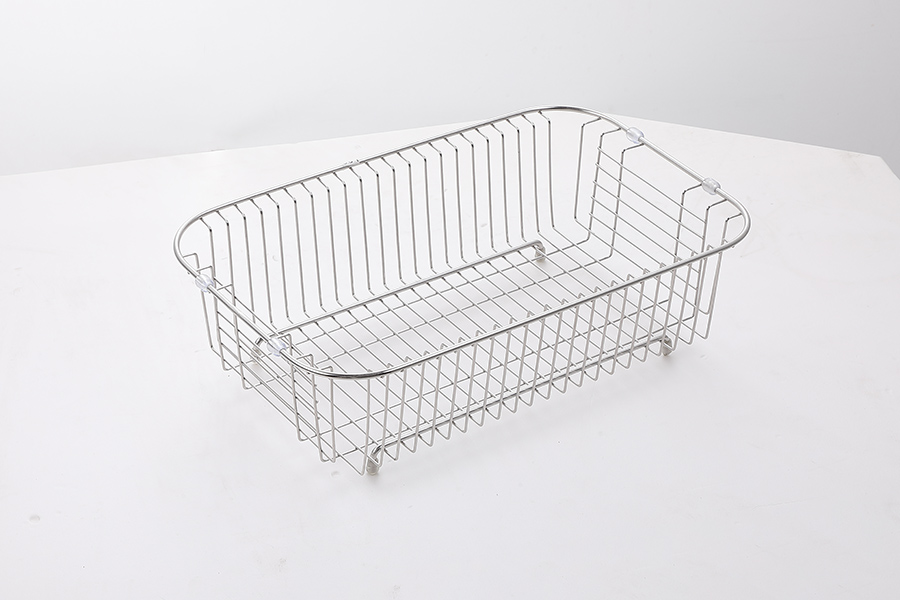
A drying rack is most valuable when it improves the daily rhythm of washing, rinsing, and clearing the counter. After handwashing, dishes need a place where water can drain away from food-contact surfaces. A rack holds plates, bowls, cups, and utensils in separated positions, allowing air to circulate. This reduces the chance of trapped moisture, which is one of the reasons items can develop odor or water marks when they are stacked too early.
A rack also protects certain items. Glassware, nonstick cookware, and sharp knives often do better with gentle handwashing. A drying rack gives these items a stable area to dry without being piled in the sink or left on a towel where they can scratch, chip, or trap water underneath. If you have stainless steel sinks, racks also reduce sink congestion, keeping the bowl free for rinsing produce or cleaning pans while other items dry.
Countertop cleanliness is another major advantage. Without a rack, people often spread towels across the counter to create a drying zone. Towels absorb water at first but eventually become saturated, spreading moisture to the counter and leaving the area feeling damp. A rack with a drainage system keeps water flow controlled, which makes the whole kitchen feel cleaner and easier to maintain.
If you cook often, the biggest value may be speed. With a rack, dishes can be placed quickly in a consistent layout, freeing the sink and reducing the time spent rearranging items. Over time, that organization saves effort and reduces breakage.
Not every kitchen benefits from a drying rack, and understanding when it is not worth it helps you avoid buying the wrong accessory.
If you run a dishwasher for most loads and rarely handwash, a large rack may sit unused and take up valuable counter space. In that case, a compact rack or a foldable design may be more appropriate, or you may not need one at all.
If your counter area is extremely limited, a poorly sized rack can make the kitchen feel crowded. A rack becomes frustrating when it blocks prep space or forces you to move it constantly. For very small kitchens, wall-mounted, over-the-sink, or collapsible designs often provide better value than a fixed countertop model.
If you do not maintain the rack, it can become a hygiene issue. Any rack that holds water in a tray or corners needs periodic cleaning. If you prefer a truly low-maintenance setup and you already have strong dishwasher habits, a rack may not add much value.
A drying rack is worth it when it supports your routine, not when it becomes another item that needs management.
The difference between a rack that feels “worth it” and one that feels like clutter usually comes down to design details. A rack should fit your dish volume, drain water effectively, and be easy to keep clean.
Choose based on how you wash:
If you wash a high volume of plates and bowls, prioritize plate slots that hold items upright without wobbling.
If you wash large cookware, look for an open layout that can fit pans without forcing them to balance on edges.
If you wash many cups and bottles, consider attachments or rails that hold smaller items securely.
If you wash knives frequently, a dedicated utensil section that keeps sharp edges separated is safer and more organized.
Drainage design is critical. A rack should direct water away from dishes and into a controlled path, rather than letting water pool under items. A removable tray that drains cleanly and dries quickly reduces odor and prevents residue buildup.
Material choice affects long-term satisfaction. Corrosion resistance matters because racks live in a wet environment. Smooth joints and easy-to-wipe surfaces reduce grime buildup. A stable base prevents sliding on wet counters, and protective feet reduce scratching.
For long-term value, also consider whether the rack can adapt. Some users prefer modular racks that can be expanded or reconfigured. Others prefer compact racks that fold away when not needed. The best design is the one that stays out of your way while supporting daily use.
You can explore fitted designs and layout options with ZHENGYONG’s Dish Drying Rack solutions.
The value of a drying rack becomes clearer when you compare outcomes instead of price. The table below shows how different setups perform in real kitchens.
| Kitchen Situation | Without A Rack | With A Good Rack | Why It Matters |
|---|---|---|---|
| Frequent handwashing | Items pile in sink or on towels | Organized drying zone | Faster workflow, less clutter |
| Limited counter space | Towels spread water across counter | Controlled footprint and drainage | Cleaner counter, less wiping |
| Delicate glassware and knives | Higher chip and scratch risk | Separated, stable placement | Reduced breakage and safer handling |
| Dishwasher-heavy household | Rack used occasionally | Compact rack works best | Avoid wasted space |
| Hard water area | Spots form easily | Better airflow and faster drying | Fewer marks with proper drying |
A drying rack is worth it when it helps you reduce mess and time, protects items, and keeps water management controlled. If you buy a rack that does not drain well or is hard to clean, the value disappears quickly because it creates new problems.
A drying rack remains worth it only if it stays hygienic and easy to use. Simple maintenance prevents odor, residue, and mineral buildup.
A practical routine includes:
Empty and rinse the tray daily if water collects there.
Wipe the rack surfaces weekly, especially joints and utensil holders.
Deep clean monthly with mild soap and warm water, then rinse and dry thoroughly.
If mineral deposits appear, use a mild vinegar wipe, then rinse completely.
Also check for stability. If the rack rocks or slides, adjust placement or check feet. A stable rack prevents tipping and reduces accidental breakage.
When maintained, a drying rack becomes a reliable part of the kitchen system rather than a temporary accessory that feels messy.
Drying racks are worth it when you handwash regularly, need a clean way to manage water on the counter, want to protect delicate items, or simply want an organized routine that keeps the sink free for other tasks. The best racks provide stable separation, effective drainage, and easy cleaning, which together deliver real daily value rather than just extra storage.
If you are not sure which rack size fits your kitchen, how to choose a layout for your dish volume, or what material and drainage design will work best for your environment, contact us anytime. ZHENGYONG can provide guidance and recommendations based on our Dish Drying Rack options, and help you select a solution that performs well in long-term use.