A Dish Drying Rack sits in one of the wettest zones of the kitchen. Between standing water on the drainboard, detergent residue, and constant humidity near the sink, rust can develop over time, especially at joints, weld points, wire ends, and scratched coating areas. Cleaning rust is not only about appearance. If rust continues spreading, it can weaken the rack structure, stain dishes, and shorten product lifespan. The best results come from removing rust safely, cleaning the rack thoroughly, and then reducing the conditions that caused rust in the first place.
This guide explains how to clean a rusted dish drying rack step by step, how to choose methods based on rack material and finish, and how to prevent rust from returning. You can view ZHENGYONG options on our dish drying rack collection.
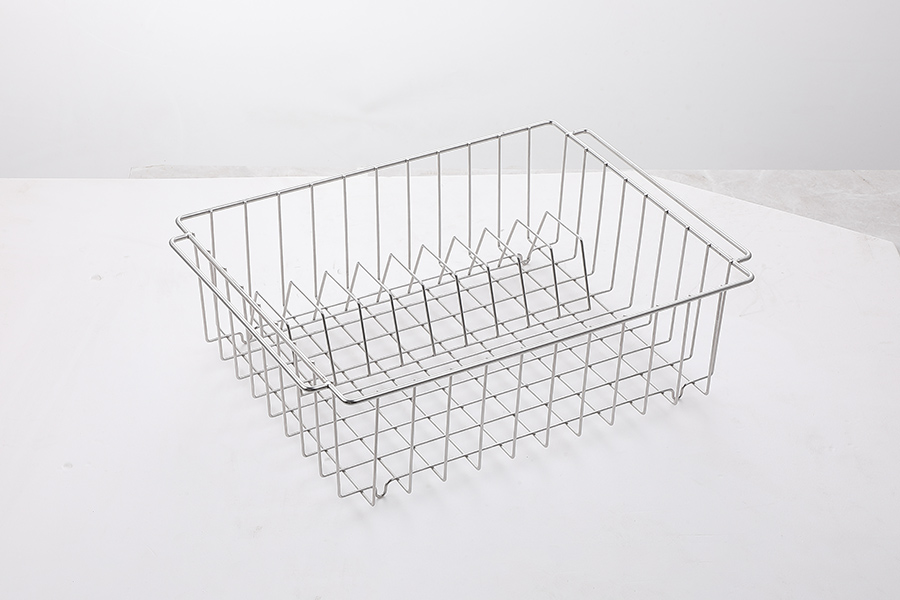
Before cleaning, it helps to understand what you are working on. Many racks use metal wire frames with surface treatments such as chrome plating, powder coating, or stainless steel structures. Rust behavior differs between these finishes.
Surface rust often appears as light orange-brown spots and usually forms where water sits or where detergent film traps moisture. Deeper rust is darker, rougher, and may appear at chipped coating edges or welded corners. If the rack is coated and you see rust creeping under the coating, the coating has likely been compromised at a small point and moisture is traveling beneath the surface layer.
Choosing the correct cleaning intensity matters because overly aggressive scrubbing can remove protective coatings and make rust return faster.
For early-stage rust, gentle cleaning is often enough. A common approach is warm water, mild dish soap, and a soft brush to remove grime and soap scum that hides rust spots. Once the rack is clean enough to see the rust clearly, use a mild acid method such as vinegar. Vinegar can help dissolve light rust and mineral deposits without harsh abrasion.
To apply, soak a cloth in vinegar and wrap it over rusted areas, or place the rack in a basin with diluted vinegar solution. After allowing time for the solution to work, scrub gently with a non-scratch sponge or soft brush. Rinse thoroughly and dry immediately.
This method is practical for racks with chrome plating or coated surfaces because it reduces the risk of damaging the finish.
If rust is more visible and has texture, a baking soda paste can provide more cleaning power with controlled abrasion. Mix baking soda with a small amount of water until it forms a spreadable paste. Apply it to rusted spots and let it sit briefly so it can lift oxidation.
Scrub with a soft brush or sponge, focusing on edges and joints. Avoid using sharp metal tools because they can scratch coatings and expose fresh metal. After scrubbing, rinse and dry. This method works well for racks with durable finishes where light abrasion is acceptable.
If rust has built up heavily, stronger approaches may be required, but they should be used carefully depending on the rack material. Fine-grade non-scratch pads can remove rust quickly but may dull plating or damage powder coating if used aggressively. If your rack is stainless steel and not coated, light polishing with a stainless-safe method can be effective, but the goal is still to avoid creating scratches that trap water.
For coated racks, the moment you break through the coating you create a future rust point. This is why the best strategy is to remove rust while preserving as much coating as possible.
Rust on dish racks often begins in crevices and joints where water stays longer than on open wire surfaces. These areas also hold detergent residue, which can attract moisture. After rust removal, clean joints, weld points, and wire intersections thoroughly with a small brush. Rinse with clean water and ensure no cleaning paste remains trapped.
Drying is essential. Water left in crevices will restart oxidation quickly, especially if the rack is stored in a humid area or placed back near the sink while still damp.
After rust is removed, protecting the surface helps prevent recurrence. For stainless steel racks, a light wipe with a suitable protective film can reduce water adhesion and improve drying. For coated racks, focus on keeping the coating intact. If you see a chipped spot where metal is exposed, consider applying a food-safe protective sealant suitable for that surface, or replacing the rack if the coating damage is extensive.
In high-usage kitchens, this is also where selecting a durable dish drying rack design matters. Stronger coating systems, better drainage design, and stable feet that keep the rack elevated can reduce water pooling and extend service life.
Most rust problems are driven by repeated water exposure and poor drying. Small daily habits make a measurable difference.
Remove the drainboard water regularly instead of letting it sit overnight. If the rack includes a tray, empty and wipe it dry. Avoid leaving wet sponges or cloths draped over metal wire sections, because they keep moisture in contact for long periods. If you use harsh cleaners or bleach near the rack, rinse thoroughly because chemical residue can accelerate corrosion on some finishes.
If your kitchen environment has hard water, mineral buildup can trap moisture and speed oxidation. Regular descaling with mild vinegar rinse helps prevent this cycle.
A simple schedule keeps racks clean and slows rust return without heavy labor.
| Maintenance Level | Frequency | Main Goal | Best For |
|---|---|---|---|
| Quick dry and wipe | Daily | Reduce standing water and residue | Any kitchen setup |
| Deep wash with mild cleaner | Weekly | Remove soap scum and grime | High-use households |
| Rust check and spot treatment | Monthly | Catch rust early | Humid environments |
| Full refresh and protection | As needed | Extend lifespan | Long-term rack use |
This routine is especially effective for racks placed directly beside sinks where humidity is constant.
Rust prevention starts with design and surface performance. ZHENGYONG provides dish drying rack options designed for practical drainage, stable structure, and finishes intended for wet kitchen environments. When the rack drains well and stays stable, less water pools at joints and wire ends, reducing the conditions that drive rust development. You can view our options on the dish drying rack collection. For projects that need size matching or layout planning, we can also support custom dish drying rack selection based on kitchen space and usage routine.
Cleaning rust from a dish drying rack works best when you start with gentle methods, remove residue thoroughly, and dry the rack completely after every cleaning step. Vinegar and baking soda paste can handle most light to moderate rust while protecting the finish, and careful cleaning of joints and crevices prevents rust from restarting quickly. Long-term prevention depends on reducing standing water, keeping trays dry, and maintaining the rack surface so metal is not left exposed.
If you are choosing dish drying racks for retail supply, project orders, or long-term kitchen programs and want guidance on selecting a durable design for wet environments, contact ZHENGYONG. Share your rack size needs and usage conditions, and we can recommend suitable options and provide practical maintenance guidance.
Previous: How To Make A Dish Drying Rack?