A 304 stainless steel sink grid is one of the most practical ways to protect a kitchen sink from scratches, dents, and daily wear. It creates a raised platform under cookware so water drains more freely and heavy pots do not grind directly against the sink bottom. The best sink grid is not defined by a single feature such as thickness or shine. It is defined by fit accuracy, stable support, clean finishing, and how well the grid works with your sink’s drain location and cleaning routine.
This guide explains how to choose the best 304 stainless steel sink grid for a kitchen sink, what specifications actually matter in daily use, and how to evaluate a grid like a buyer rather than a casual shopper. You can review ZHENGYONG options on our kitchen sink bottom grid page.
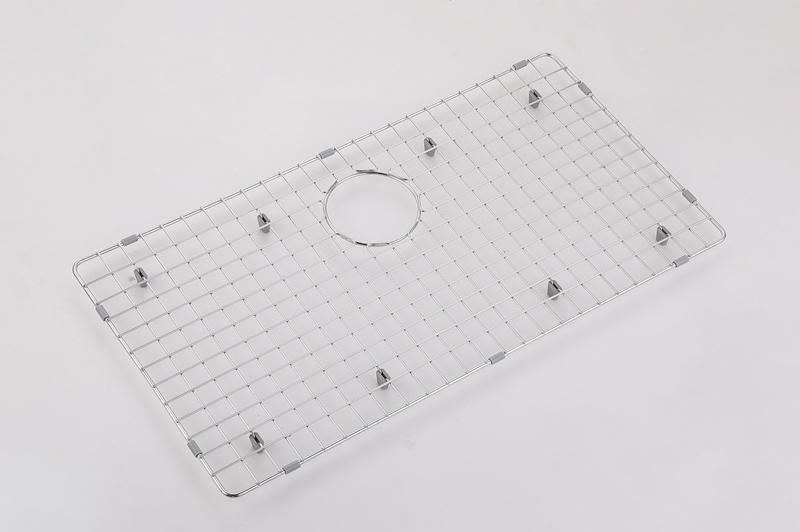
304 stainless steel is widely used in kitchen environments because it offers strong corrosion resistance and performs well under repeated exposure to water, detergent, and acidic food residue. In a sink grid, this matters because the product sits in a constantly wet zone and is frequently handled, rinsed, and repositioned.
A grid made from 304 stainless steel also supports a cleaner look over time because it is less likely to develop rust spots when the surface is properly finished. However, material alone is not enough. The way the grid is welded, polished, and protected at edges and joints determines whether it remains smooth, safe, and easy to maintain after months of daily use.
Fit is the first quality filter. Even a high-grade 304 grid will feel wrong if it rocks, binds against sink walls, or blocks drainage. Kitchen sinks vary widely in interior dimensions, corner radius, drain placement, and bottom slope. A grid needs clearance from sink walls so it can be lifted out easily, but not so much clearance that it shifts around when you set down cookware.
For best results, selection should be based on the sink’s inner length and width, corner radius style, and drain type. Center drains and rear drains require different cutout positioning. If you use a disposal flange or a deeper drain basket, the grid cutout must be compatible so it does not interfere with installation.
This is why buyers often choose Custom Sink Grid sizing when they need a perfect fit for a specific sink model, especially in retail programs and replacement supply.
A sink grid is a load-bearing accessory. It must support cookware weight without bending and must distribute force so the sink bottom is protected evenly. Wire spacing determines both stability and cleanability. If spacing is too wide, small items can tip. If spacing is too tight, food residue can get trapped more easily and cleaning becomes slower.
Support points matter as well. A grid that has stable feet placement and a balanced frame reduces rocking and keeps the grid elevated evenly. This also improves drainage because water is less likely to pool under the grid where it can cause odor and residue buildup.
A durable kitchen sink grid should feel rigid when lifted and should not flex noticeably when you press at the center.
Many sink grids look similar online, but daily use exposes differences quickly. The best grids have smooth weld points and safe edges. Rough welds can scratch cookware and catch food residue. Sharp edges can cut hands during removal and cleaning.
Surface finishing also impacts long-term appearance. A smooth finish reduces water retention and makes it easier to rinse away soap film and food particles. It also keeps the grid feeling clean rather than sticky, which is important in heavy-use kitchens.
ZHENGYONG sink grids commonly use electrolytic polishing, which supports a clean surface feel and consistent appearance across batches. For buyers managing multiple units, finish consistency helps maintain a uniform look in installed kitchens.
Feet are often overlooked, yet they directly affect user satisfaction. Good feet stabilize the grid, reduce metal-to-sink contact noise, and protect the sink surface. They also define elevation height, which influences drainage speed and how easily water and debris flow toward the drain.
If feet are too soft, they can deform and make the grid wobble. If they are too hard or poorly fitted, they can slip or mark the sink surface. Color stability matters too, because feet are visible in most sinks and inconsistent color can make an otherwise premium grid look unfinished.
For many kitchen programs, black or grey feet are preferred for a clean visual match and reliable anti-slip behavior.
The best sink grid for a kitchen sink also depends on how the kitchen is used. If you wash heavy cast iron cookware, you benefit from stronger rigidity and stable support points. If you rinse a lot of rice, vegetables, or fine food particles, you benefit from a layout that cleans quickly without trapping residue.
If you frequently use a drain basket or deep strainer, prioritize drain cutout compatibility and enough clearance around the drain opening for easy removal. If you prefer a minimalist sink appearance, choose a grid shape that follows the sink outline closely and does not crowd the basin.
A practical 304 stainless steel sink grid should protect the sink while staying easy to lift, rinse, and reinstall without frustration.
The most reliable way to compare options is to translate quality into checkable points. The table below lists the main selection criteria and what each one solves in real use.
| Selection Factor | What To Verify | Why It Matters In Use |
|---|---|---|
| Interior fit | Length, width, corner radius, drain position | Prevents rocking and drainage interference |
| Structure rigidity | Frame strength and wire stability | Reduces bending under cookware load |
| Weld cleanliness | Smooth joints without sharp spatter | Improves safety and cleaning speed |
| Finish quality | Smooth, consistent polishing | Reduces residue attachment and staining |
| Feet performance | Anti-slip stability and consistent height | Lowers noise and improves drainage |
| Drain compatibility | Cutout size and placement accuracy | Prevents contact with strainers and flanges |
This selection approach is especially useful for bulk sourcing where repeatability matters, because it focuses on measurable features rather than appearance alone.
Selecting a sink grid is often part of a broader kitchen accessory plan, where consistency across units and reorder stability are critical. ZHENGYONG specializes in kitchen and bathroom hardware manufacturing and provides sink bottom grids with controlled dimensional tolerance and stable finishing processes. For program buyers, ZHENGYONG supports customization based on sink drawings and target specifications, which is useful when you need a custom 304 stainless steel sink grid that matches a specific sink model rather than a generic fit.
You can review product options and request specifications on our kitchen sink bottom grid page.
The best 304 stainless steel sink grid for a kitchen sink is the one that fits your sink interior precisely, supports cookware weight without flexing, has clean welds and safe edges, and uses stable feet that protect the sink while maintaining good drainage. Material matters, but performance comes from fit accuracy, structure design, and surface finishing that stays easy to clean over time.
If you want help choosing a sink grid size or planning a sink grid program for multiple sink models, contact ZHENGYONG with your sink dimensions and drain position. We can provide guidance, recommend practical configurations, and support sampling so you can confirm fit and finish before ordering.
Previous:
Next: Are Stainless Steel Sink Grids From China Good Quality?