A Dish Drying Rack is a countertop storage tool used to hold plates, bowls, cups, and utensils after washing so that water can drain away naturally. In simple terms, it gives wet tableware a clean and organized place to dry before being put back into the cabinet. Although the structure looks simple, it plays a very practical role in daily kitchen use. Without a proper drying rack, washed dishes are often placed directly on the countertop, which can make the space look messy and leave water marks in working areas.
That is why many kitchens still rely on a drying rack even when the overall layout is modern and compact. It helps separate washed items from food preparation areas, improves countertop order, and makes it easier to access dishes that are still drying. For many households, it is one of those small kitchen tools that gets used every day without much attention, but once it is missing, the inconvenience becomes obvious very quickly.
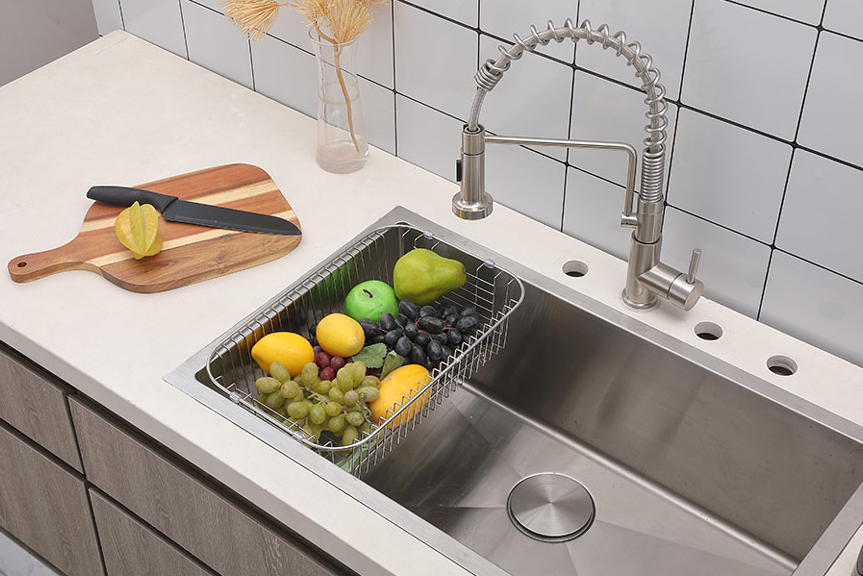
A dish drying rack matters because washing dishes is only part of the job. After washing, there still needs to be a place where water can drip off safely and the tableware can stay upright or separated until it is ready to store. If dishes are stacked too early or placed flat on the counter, drying becomes slower and the work area becomes more cluttered.
A proper drying rack creates a clear transition between washing and storage. That transition is useful in home kitchens, apartments, rentals, and even light catering settings where the sink area needs to stay organized. Instead of treating drying as an afterthought, the rack turns it into a simple and controlled part of the routine.
A dish drying rack is made for much more than dinner plates alone. It is commonly used for bowls, side plates, cups, mugs, small pots, lids, and cutlery. In practical use, the rack becomes a temporary holding area for most of the tableware that has just been cleaned. As long as the size and weight are suitable for the rack structure, the drying area can support a mix of daily kitchen items.
This is one reason open countertop racks remain popular. They are flexible. Instead of needing separate holders for every item, one rack can support several kinds of tableware at the same time. For families with regular dishwashing needs, that flexibility makes the kitchen feel easier to manage.
A countertop dish rack works by combining support and drainage. The frame keeps dishes raised off the countertop while the open structure allows water to fall away from the surface of the tableware. This helps air move around the dishes more easily and makes drying more natural than leaving items in a flat pile.
The open design is especially useful because it keeps everything visible. Plates can be placed upright, bowls can be arranged more neatly, and cups can be grouped in a way that feels orderly. This visibility is one of the practical advantages of a countertop rack. Users can see what is drying, what is ready to put away, and whether the rack needs to be emptied.
An open-style dish drying rack suits real kitchen habits because it does not hide the dishes inside an enclosed container. It allows the user to place and remove items quickly, and it keeps the drying process clear and easy to follow. In a busy kitchen, this matters more than people expect. The less time spent rearranging dishes, the smoother the washing routine becomes.
Open design also supports faster drainage. Water does not collect as heavily around the dishes, and the rack can be wiped or repositioned more easily. For users who want a practical kitchen accessory rather than something decorative only, this type of structure usually feels more efficient.
Material has a strong effect on how well a dish drying rack performs over time. Since the rack is exposed to water, tableware weight, and frequent handling, it should be made from a material that suits long-term kitchen use. Stainless steel is often preferred because it gives the rack a cleaner look, a firmer structure, and easier daily maintenance.
A well-finished metal rack also feels more stable when holding dishes. That stability matters because the rack is not only storing lightweight cups. It may also need to support several ceramic bowls, stacked plates, and utensils at the same time. A drying rack that feels steady in use gives users more confidence in daily handling.
A good dish drying rack should fit the countertop without taking over too much workspace. It should give enough room for daily dishes while still leaving the kitchen usable for food preparation and cleaning. Balance is important here. A rack that is too small may not solve the storage problem, while one that is too large can make the counter feel crowded.
The best rack also supports practical placement. Dishes should sit in a way that feels stable rather than awkward. Water should drain away naturally, and the structure should remain easy to clean after repeated use. In other words, a good rack is not only about capacity. It is also about everyday convenience.
The most common place for a dish drying rack is next to the kitchen sink. That position makes sense because washed dishes can be moved directly from the sink to the rack without dripping water across the whole countertop. It keeps the workflow short and tidy, which is especially useful in smaller kitchens.
This type of rack is also suitable for apartments, rental housing, office kitchens, and project kitchens where fixed installation is not always practical. A freestanding countertop rack can be moved, cleaned, or replaced more easily than a built-in storage solution. That flexibility is one of its strongest advantages.
Countertop dish racks remain popular because they are straightforward to use. They do not require drilling, wall modification, or complicated setup. They can be placed where needed and repositioned whenever the kitchen layout changes. For many users, this is more practical than a fixed rack that only works in one location.
This also makes countertop models attractive for wholesale and project buyers. They are easier to standardize, easier to replace, and often easier to match with different kitchen environments. A product with this kind of simple usability tends to work across more market needs.
When choosing a dish drying rack, it helps to think about the real number of dishes handled every day. A single user, a small household, and a busy family will not need the same rack capacity. The available countertop area also matters. A rack should support daily use without blocking the main working zone too heavily.
It is also worth checking the structure, finish, and ease of cleaning. A drying rack should not become difficult to maintain after regular exposure to water and soap residue. The simpler and more stable the structure, the easier it usually is to keep the kitchen area clean and organized.
One common mistake is choosing a rack based only on appearance without thinking about actual dish volume. Another is selecting a rack that looks compact but does not leave enough room for larger plates or bowls. Some users also ignore countertop size and end up with a rack that makes the sink area feel too crowded.
Another issue is forgetting that the rack will be used in a wet environment every day. A dish drying rack should be easy to wipe down and stable enough for repeated movement. In daily use, these practical details often matter more than decorative styling.
A dish drying rack is a simple but essential kitchen accessory designed to hold washed dishes while they dry naturally. It keeps plates, bowls, cups, and utensils organized after washing, helps reduce countertop clutter, and creates a more efficient kitchen routine. For many kitchens, a countertop drying rack is one of the easiest ways to improve order around the sink area without making the setup more complicated.
If you are comparing dish rack styles, checking material options, or looking for a kitchen counter dish rack that fits different market needs, feel free to contact us. We can help review suitable specifications, discuss product details, and provide practical guidance for your sourcing plan.