A stainless steel sink is one of the easiest kitchen fixtures to live with, but it is also one of the easiest to make look dull if it is cleaned the wrong way. Water spots, soap film, food residue, and light scratches can build up gradually, even when the sink is used carefully every day. That is why many people feel their sink never looks truly clean, even after wiping it down.
The good news is that stainless steel does not need complicated care. In most kitchens, the best results come from a simple routine done the right way. Gentle daily cleaning, proper drying, and a little extra attention to protection can keep the sink cleaner, brighter, and easier to maintain over time.
A stainless steel sink does not absorb stains the way porous materials do, but it reflects light very clearly. That means fingerprints, mineral spots, greasy marks, and leftover detergent become visible much faster. In a busy kitchen, even normal rinsing can leave the surface looking cloudy if the water dries on its own.
This is why many sinks seem dirty even when they are only lightly used. The issue is often not heavy soil. It is the thin layer of residue left behind after washing dishes, handling food, or letting water sit too long. Once that buildup repeats day after day, the sink loses its clean metallic look and starts to appear flat or tired.
A better cleaning routine solves that problem before it becomes permanent. The goal is not aggressive scrubbing. The goal is to remove residue early and protect the finish from unnecessary wear.
The best daily method is usually the simplest one. Rinse the sink with warm water first to remove loose food particles and soap. Then use a soft sponge or cloth with a mild detergent to wipe the basin, corners, and drain area. This step removes the light grease and film that normal rinsing cannot fully clear.
What matters here is consistency. A quick clean after daily use prevents the sink from collecting a thicker layer of residue. If that layer is left in place for too long, stronger cleaning becomes necessary, and stronger cleaning is more likely to dull the finish.
A stainless steel sink usually responds better to regular light care than occasional heavy scrubbing. In practical terms, that means a short routine done often gives a better appearance than waiting until the sink looks obviously dirty.
Many stainless steel sinks have a brushed grain. That grain affects how the sink reflects light and how clean it looks after wiping. If you clean in random circles or scrub across the grain, the surface may still look streaky even when the dirt is gone.
Wiping in the direction of the grain usually gives a cleaner and more even result. It also helps preserve the original finish of the sink. This is especially important for sinks that are meant to maintain a more polished or refined appearance in modern kitchens.
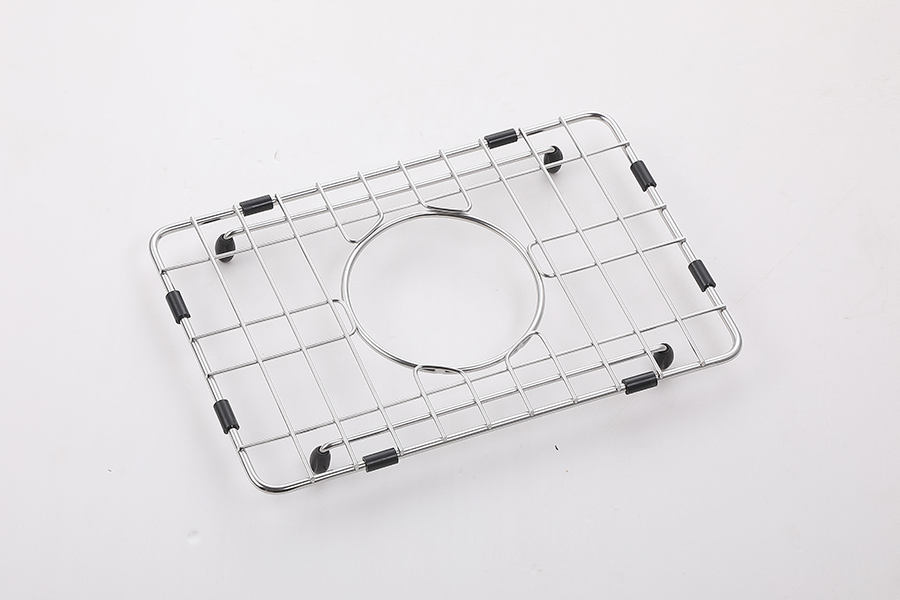
The same principle applies when cleaning accessories that sit inside the sink. A stainless sink protector, for example, also benefits from gentler wiping and regular rinsing, especially when it is used every day under cookware, plates, or utensils.
One of the most common reasons a stainless steel sink looks dull is water spotting. In many kitchens, the real issue is not dirt at all. It is the minerals left behind after water evaporates. These marks often appear around the base, side walls, and drain zone, and they can make the sink look older than it is.
The easiest solution is drying. After cleaning, use a soft dry cloth to wipe down the sink completely. This step is often ignored, but it makes a big difference. A dried sink almost always looks brighter and more polished than one left to air dry.
This habit also helps reduce long-term buildup. When water is removed before it dries naturally, the surface stays cleaner and more consistent, and deep cleaning becomes less frequent.
Kitchen sinks collect more than water. They also collect cooking oils, sauces, soap film, and fine food particles. These materials do not always look obvious at first, but over time they create a layer that traps more dirt and makes the steel lose its fresh appearance.
When that happens, a soft sponge with mild soap is usually enough if the cleaning is done early. For slightly heavier buildup, let the soapy water sit briefly before wiping. That softens the residue without forcing you to scrub too hard. The sink should feel clean after wiping, not rough or sticky.
This matters because many people try to solve grease by using harsh force instead of proper method. In most cases, patience works better than pressure. A careful clean protects the surface while still restoring the sink’s original look.
A stainless steel sink is durable, but that does not mean every cleaning method is safe. Rough metal pads, very abrasive powders, and aggressive scouring tools can leave fine scratches. These scratches may seem small at first, but they change the way the sink reflects light and can make future stains more noticeable.
Once the finish becomes rougher, the sink often starts looking dull more quickly after each use. That is why softer tools are usually the better choice. A non-abrasive sponge, soft cloth, or soft-bristle brush is enough for most normal kitchen cleaning.
The same thinking applies to sink accessories. A sink protector is meant to reduce direct contact between the sink surface and heavy cookware. That kind of protection can help reduce daily wear, especially in kitchens where pots, pans, and dishes are placed into the sink frequently.
Keeping a stainless steel sink clean is not only about removing stains after they appear. It is also about reducing the causes of wear in the first place. One practical way to do that is by using a sink protector.
A sink protector helps separate the sink bottom from cookware, utensils, and other hard objects. This reduces direct scratching and also improves daily drainage by lifting dishes slightly above the sink surface. When the sink bottom is better protected, cleaning becomes easier because the most exposed area receives less direct abrasion.
This is why sink care and sink protection often work best together. A clean sink looks better, but a protected sink is also easier to keep looking clean over the long term. In product terms, that makes stainless sink protectors a useful addition for kitchens where durability and appearance both matter.
The cleanest-looking sink can still seem dirty if the drain area and corners are neglected. These parts often collect soap residue and small particles that the eye notices quickly. Even when the center basin looks bright, buildup around the edges makes the whole sink feel less hygienic.
That is why these zones need a little more attention during regular cleaning. A soft brush can help around the drain and tighter corners, while a cloth works well for the broader surfaces. Once those areas are cleaned and dried properly, the whole sink usually looks much fresher.
This step also improves overall kitchen impression. A sink is a highly visible working area, so small details affect how clean the whole countertop zone feels.
The most effective sink-cleaning method is the one people will actually follow. A complicated process may work once, but a simple routine works repeatedly. In daily use, that usually means rinsing away food debris, wiping with mild soap, cleaning with the grain, and drying the surface afterward.
That kind of routine does not take much time, but it changes the sink’s appearance noticeably. It keeps stains from settling in, reduces water marks, and helps the steel keep a cleaner shine. If a sink protector is also cleaned regularly and kept dry after use, the whole sink area stays easier to maintain.
Good maintenance does not need to feel technical. It only needs to be consistent.
Cleaning a stainless steel sink is less about strong chemicals and more about the right habits. A gentle daily clean, wiping with the grain, drying the surface, and avoiding harsh tools can keep the sink looking brighter and cleaner for much longer.
For kitchens that see regular use, protection also matters. A sink protector can help reduce scratches, support drainage, and make long-term sink care easier. If you are choosing sink accessories and want practical guidance on suitable sink protection solutions, feel free to contact us. We can help you find an option that fits your sink and supports better everyday use.
Previous: What Drying Rack Dishes