The best way to store stainless steel cutlery is to keep it fully dry, separated by type, and placed in a clean, ventilated holder or drainer instead of leaving it in a damp pile or sealed wet drawer. Many people focus on washing, but storage is what often decides whether cutlery stays clean, dries properly, and remains easy to use every day. That is why a stainless steel kitchen drainer connects naturally to this topic. It gives cutlery a raised, ventilated space where moisture can drain away faster, which helps reduce damp buildup and makes daily kitchen organization more efficient.
Stainless steel is known for durability, but that does not mean it should be stored carelessly. When forks, spoons, and knives are put away while still damp, water can stay between pieces, around handles, or at the bottom of containers. Over time, that creates a less hygienic storage condition and can also make the whole kitchen routine feel messy.
For households, this often shows up as water marks, crowded drawers, and utensils that never seem fully dry. For commercial kitchens, the problem is bigger. Poor storage slows down prep work, increases cleaning pressure, and makes it harder to keep tools ready for repeated use. In both cases, the goal is the same: keep cutlery dry, accessible, and separated from standing water.
A sanitary cutlery storage setup usually follows a simple logic. First, wash thoroughly. Second, let excess water drain away. Third, store the cutlery in a place with airflow instead of trapping moisture. This is why open storage systems often work better than closed containers when the cutlery is still drying after washing.
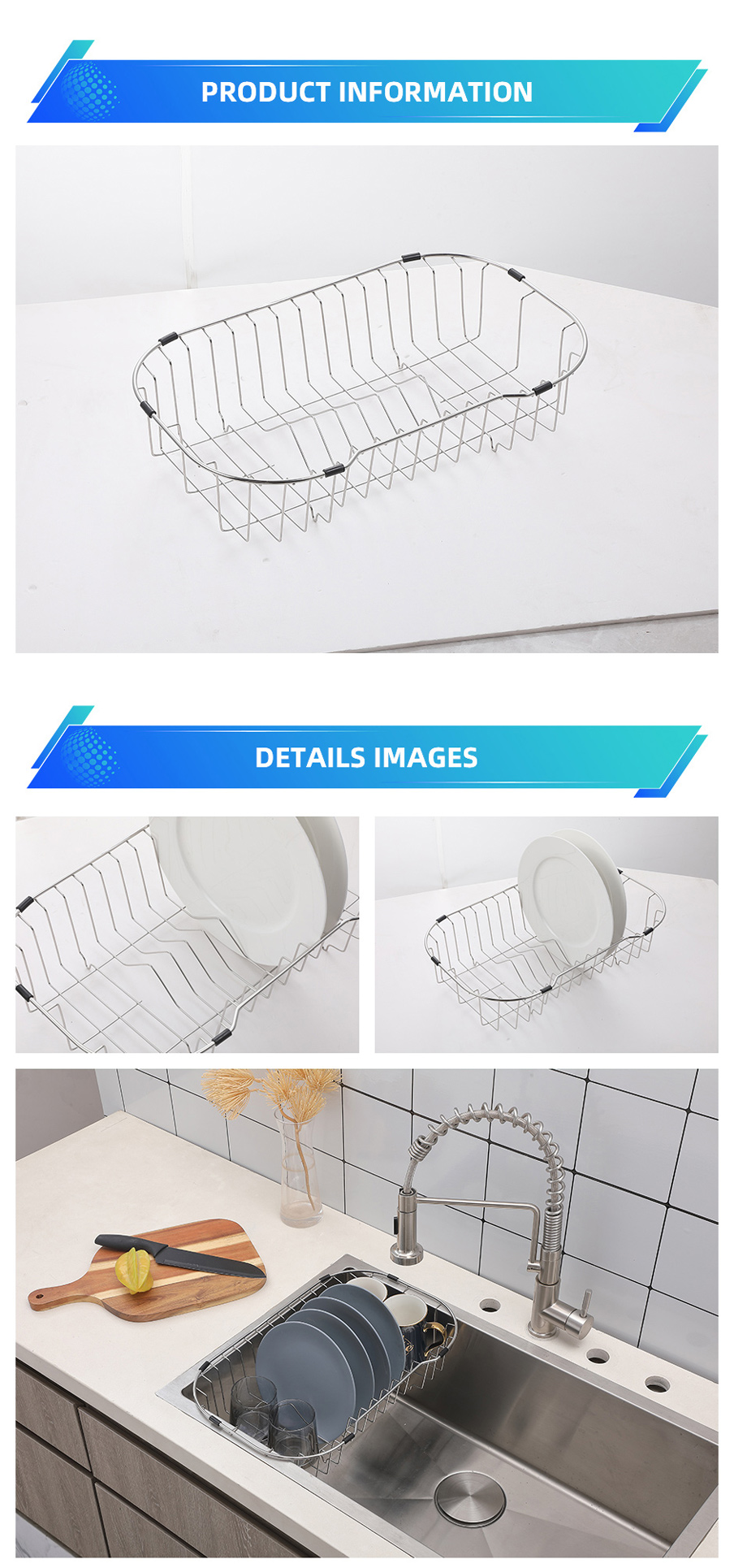
A stainless steel kitchen drainer is useful here because it is designed to support water filtration and ventilation at the same time. The rectangular basket structure made from multiple stainless steel wires allows water to pass through while leaving space for air circulation. That open design makes it more practical than putting wet cutlery straight into a drawer or leaving it on a closed tray where water collects underneath.
Cutlery does not need only a storage place. It needs a drying-friendly environment before long-term storage. If the space around it stays damp, moisture remains on the utensil surface longer than it should. That is why a ventilated drainer is often a better first step than direct drawer storage.
This product is designed with a grid-style stainless steel basket structure for effective water filtration and good ventilation. In practical use, that means cutlery and small kitchen tools can dry in a more open condition rather than sitting in trapped moisture. The same design is also useful for other washed kitchen items, which makes the drainer easier to position as a daily-use storage tool rather than a single-purpose accessory.
Material choice matters in wet kitchen environments. A cutlery holder or drainer is exposed to water, detergent, food residue, and regular cleaning. If the material is weak, difficult to clean, or easy to corrode, it quickly becomes part of the hygiene problem instead of the solution.
This stainless steel kitchen drainer is made from stainless steel with electrolytic polishing, which helps create a smooth surface that is easier to clean and better suited to repeated contact with water. The product information also notes strong corrosion resistance and long-term structural reliability in humid kitchen conditions. For B2B buyers, this is important because end users expect storage tools to last through daily use, not just look acceptable at the beginning.
The most practical process is to rinse the cutlery well, shake off heavy water, and place it in a ventilated drainer so the moisture can leave naturally. It helps to store similar utensils together so spoons, forks, and knives are easier to separate later. Overcrowding should also be avoided. When too many pieces are packed tightly together, airflow is reduced and drying becomes slower.
A hanging or over-sink drainer can improve this process because it keeps the utensils above the wet work zone while still allowing water to drain away. This product is listed as a hanging type stainless steel drainage basket, which supports that kind of use in kitchen sink areas. It can help reduce countertop clutter while keeping washed items in a more controlled drying position.
One common mistake is putting cutlery away before it is fully dry. Another is storing it in a closed drawer with no drying stage at all. A third is using containers that trap water at the bottom, which keeps the utensil heads wet longer than expected.
There is also a maintenance issue that many buyers overlook. Even a good cutlery storage solution becomes less hygienic if it is not cleaned regularly. The product guidance recommends routine cleaning with warm water and neutral detergent, and notes that regular cleaning can significantly reduce bacterial growth. In real use, that means the drainer itself should be treated as part of the hygiene system, not just as a passive holder.
For wholesalers, distributors, kitchenware importers, and commercial kitchen buyers, cutlery storage is not a small detail. It is part of the kitchen workflow. A better storage tool can improve drying efficiency, keep prep areas cleaner, and make utensils easier to manage throughout the day.
This product has several details that support that position. It uses stainless steel, has a dimensional tolerance of ±2 mm, supports hanging installation, accepts customization, and offers supply capacity up to 20,000 pieces per month with an MOQ of 100 pieces. That makes it easier to fit into retail, wholesale, and project-based kitchen hardware programs where consistent quality and practical use matter more than appearance alone.
So, how to store stainless steel cutlery? The most effective method is to keep it fully dry, well ventilated, and organized in a clean drainer before long-term placement. Good storage is not only about neatness. It also helps maintain hygiene, improve drying efficiency, and make daily kitchen work easier.
A stainless steel kitchen drainer is a practical solution because it supports drainage, ventilation, and repeated daily use in one simple structure. If you are looking for a better cutlery storage solution for your market or want to compare customization and supply options, feel free to contact us. We can help you choose a more suitable product based on your kitchenware business and application needs.