A lot of people ask this because sink grids get dirty faster than expected. Food scraps, hard water marks, soap buildup, and daily use can make them look dull even when the sink itself is cleaned often. So the question makes sense: can sink grids go in the dishwasher?
In many cases, yes, they can. But the better question is whether the sink grid was made from the right material in the first place. If the structure is weak, the finish is poor, or the design is not meant for repeated cleaning, even a simple wash routine can shorten the product’s life. That is why this topic matters not only to home users, but also to importers, wholesalers, and project buyers. A sink accessory that is easy to clean is much easier to sell and much easier to keep in a long-term product line.
This is where a well-made sink grid starts to show its value. A good sink grid is not just there to sit at the bottom of the bowl. It protects the sink surface, supports drainage, keeps dishes slightly raised, and makes the whole sink easier to manage during daily use. For buyers looking for a Kitchen Organizer Sink Grate Protector Supplier, those small details matter more than they may seem at first.
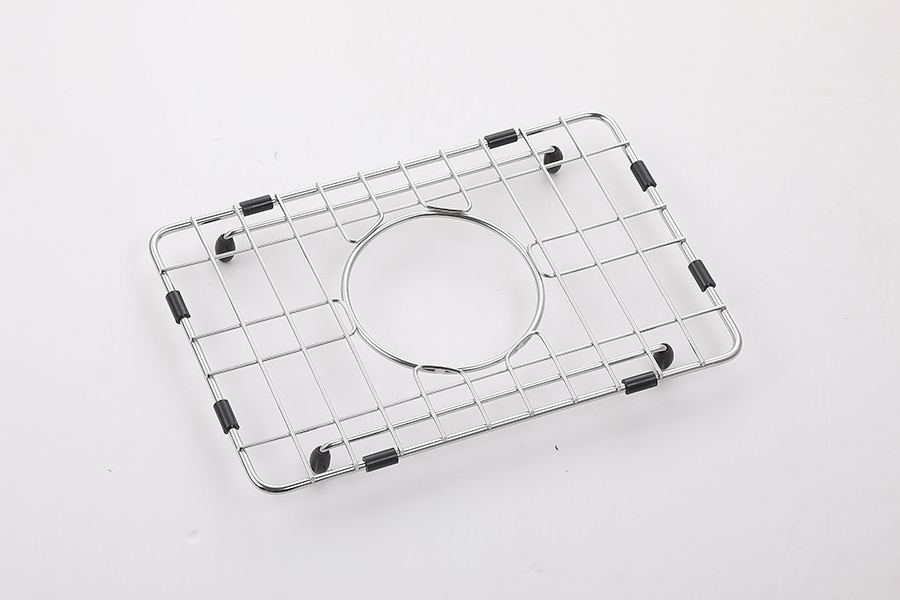
Most people do not put a sink grid in the dishwasher because they want to test the product. They do it because the grid is awkward to scrub by hand every few days. The shape collects residue in corners and around the feet, and over time that buildup becomes annoying.
That is why dishwasher cleaning feels convenient. It saves time, it reaches small areas more evenly, and it fits naturally into the kitchen cleaning routine. But buyers who source this kind of product should look beyond the cleaning method itself. The real issue is whether the sink grid can hold up to repeated washing without losing appearance or function.
If the material is right, cleaning becomes simple. If the material is wrong, the product may stain, fade, or become less stable after regular use. For B-end buyers, that is not a small issue. Easy maintenance often affects reviews, repeat orders, and after-sales pressure.
A sink grid lives in a wet environment every day. It deals with water, food residue, utensils, and frequent contact with cookware. If it also needs regular cleaning, then the material has to be able to handle all of that without becoming a problem itself.
That is one reason stainless steel remains such a practical choice. It gives the grid a cleaner look, better resistance to daily wear, and more confidence during repeated washing. A sink accessory like this needs to stay presentable, because once it starts looking worn too quickly, users stop seeing it as helpful and start seeing it as one more thing to replace.
Our sink grid is built around that kind of practical use. The point is not only that it fits in the sink. The point is that it is made to stay useful over time, even with regular contact with water and repeated cleaning. That matters for distributors and private label buyers because a product that feels easy to live with is much easier to place in the market.
People often think of sink grids as a small accessory, but they are actually part of the daily kitchen experience. If the grid is hard to clean, too rough to maintain, or awkward to handle, the user notices. The product may still work, but it does not feel convenient anymore.
That is why easy cleaning is not just a nice extra. It is part of the value of the product itself. A sink grid that rinses easily, wipes down well, and can handle deeper cleaning from time to time feels more useful in everyday kitchens. It also reduces one of the most common complaints people have about sink accessories, which is that they become dirty too quickly and take too much effort to maintain.
For commercial buyers, this matters because convenience sells. A product that protects the sink and stays easier to clean gives a clearer reason to buy.
Some buyers focus only on the cleaning side, but the original job of a sink grid is still important. It protects the bottom of the sink from scratches, dents, and wear caused by pots, pans, and utensils. That may sound basic, but it becomes more valuable over time, especially in kitchens where the sink sees constant use.
A sink grid also improves drainage by lifting items slightly above the sink surface. That helps water move away more easily and keeps dishes from sitting flat in the bowl. In everyday use, that can make the sink feel cleaner and more organized even before anything is washed.
This is one reason sink grids continue to be popular in both home and commercial kitchens. They solve a simple problem in a simple way. For project buyers and wholesalers, that kind of product is often easier to work with than a more complicated accessory that needs too much explanation.
Not every sink has the same dimensions, and that is one of the biggest reasons generic sink accessories often disappoint. If the fit is poor, the grid slides, sits unevenly, or leaves too much of the sink bottom exposed. That affects both appearance and function.
This is where supplier capability becomes important. A buyer is not only looking for a metal grid. They are looking for a product that matches the sink size, holds its position properly, and feels intentional instead of temporary. That is especially important for OEM and ODM buyers, because they usually need products that align with their own sink models or market needs.
A supplier that supports custom sizing gives buyers much more control. Instead of forcing one standard grid into different sinks, they can build a product line that feels more complete and better matched to actual use.
From a B-end point of view, a sink grid works best when the selling points are easy to explain. Protect the sink. Improve drainage. Keep dishes raised. Stay easier to clean. Those are clear benefits, and clear benefits make a product easier to move through wholesale, distribution, and project supply channels.
That is one reason this category remains commercially useful. It is not a decorative add-on with uncertain value. It is a practical kitchen accessory with direct daily function. Buyers can position it as part of sink protection, kitchen organization, or upgrade convenience without changing the product story too much.
For a Kitchen Organizer sink grate protector Supplier, this kind of clarity is valuable. It means the product can be sold not only as a standalone item, but also as part of a broader sink accessory range.
So, can sink grids go in the dishwasher? In many cases, yes. But the real point is not only whether they can go in. It is whether they are made well enough to handle repeated cleaning and still stay useful over time.
A good sink grid should protect the sink, support drainage, and remain easy to maintain in everyday use. That is what gives it real value for both end users and commercial buyers. If you are looking for a kitchen organizer sink grate protector Supplier for wholesale, OEM, or ODM cooperation, feel free to contact us. Share your sink size, market needs, or packaging requirements, and we can help you work out a more suitable product solution for your business.