A dish rack stays around water every day, so rust is one of the first problems buyers and users think about. Once rust shows up, the rack does not only look worse. It also becomes harder to clean, less reliable in daily use, and much less appealing on a kitchen counter. That is why preventing rust starts long before the rack reaches the sink. It begins with material choice, surface treatment, product structure, and how the rack is used after washing.
For many kitchens, the best way to reduce rust risk is to start with a rack that is already built for humid use. Our product fits naturally into this discussion because it is a stainless steel kitchen Dish Drying Rack made for the sink area, where water contact is constant and fast drainage matters. For importers, wholesalers, and private label buyers, this is not only a maintenance topic. It is also a product selection issue. A rack that resists rust more effectively is easier to sell, easier to support, and more suitable for repeat orders.
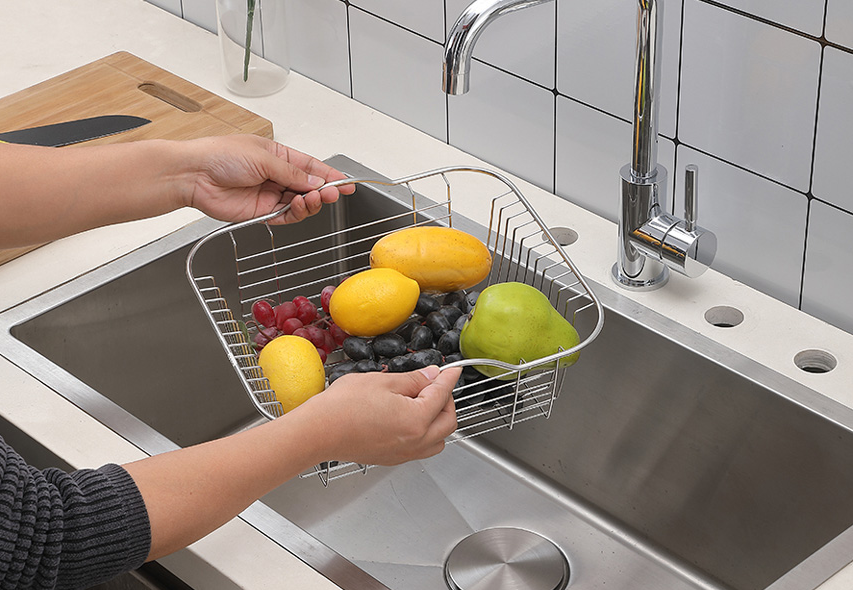
Rust usually begins where moisture stays too long. This often happens in joints, weld points, corners, and areas where water does not dry quickly. In some cases, the problem is not the design alone. It is also the material. Low-grade metal, weak finishing, or poor surface protection can all shorten the working life of a dish rack in a wet kitchen environment.
Hard water can make the problem worse. Mineral buildup sits on the surface, holds moisture longer, and slowly makes the rack look dull or stained. Food residue and cleaning chemicals can do the same if they are left on the rack for too long. That is why even a practical kitchen accessory needs the right material and finishing if it is going to hold up in daily use.
The easiest way to prevent rust is to choose a rack that is already made for wet conditions. Stainless steel remains one of the better options because it handles kitchen humidity better than many lower-cost alternatives. A stronger base material gives the rack a better starting point, especially when it is used around sinks every day.
That is one reason many buyers look beyond price when they source this category. A cheap rack may seem easy to place in the market, but if the surface starts changing too quickly, complaints usually follow. A kitchen accessory is handled often and seen every day, so visible wear shows up fast in customer feedback.
Our product is built around this practical need. It uses stainless steel, a polished surface, and a raised structure that keeps dishes above the wet counter instead of leaving them in standing water. That kind of design does not remove maintenance completely, but it gives the rack a much better chance of staying cleaner and more stable over time.
A dish rack can only dry well if water has somewhere to go. If the frame stays damp for long periods, even a better material will have a harder time staying in good condition. This is why drainage is not a small feature. It is one of the main reasons some racks age better than others.
A raised rack helps because it separates the dishes from the counter and lets air move around the base more easily. An open structure also helps water drip off faster instead of collecting in one place. In real kitchens, this makes a difference. The faster the moisture leaves, the lower the chance of water marks, buildup, and long-term surface damage.
This is also why many buyers compare more than the outer look. They want to know whether the rack works well in real use, not only whether it looks neat in product photos.
One of the simplest ways to prevent rust is regular cleaning. A dish rack does not need heavy maintenance, but it does need to be rinsed and wiped often enough that soap, oil, food particles, and mineral residue do not stay on the surface for too long. Once these layers build up, the rack becomes harder to keep dry and harder to keep looking clean.
A quick rinse is often enough for daily care. A more complete wipe-down every few days helps remove what water alone leaves behind. In hard water areas, this becomes even more important because residue tends to show up faster. Buyers often underestimate this point when they look at product returns or customer complaints. The issue is not always major corrosion at the beginning. It is often the slow buildup that makes the rack look older than it should.
Even on a well-made rack, some parts need more attention than others. The contact points, edges, and lower support areas are usually where water sits longest. If the rack is left wet all the time, these spots are the first to show signs of wear. Wiping them down once the heavier washing is done can make a noticeable difference over time.
This matters even more for a large dish drying rack because a bigger frame usually carries more dishes, more water, and more daily use. The larger the rack, the more important it becomes to keep the lower structure dry and clear of buildup. Capacity is useful, but the design still needs to support fast drainage and easy cleaning if the product is going to hold up well.
A smoother finish usually gives water and residue fewer places to stay. That is why polishing is not only a visual detail. It also affects daily maintenance. A cleaner surface is easier to rinse, easier to wipe, and less likely to keep small particles in hidden spots.
For B-end buyers, this is one of the practical details that can change how the product is positioned. A dish rack with better finishing does not only look more refined. It also gives the user a better ownership experience, which matters in retail, e-commerce, and private label programs. In products like kitchen accessories, the details that seem small during sourcing often become the details customers mention first after use.
For importers, wholesalers, and brand owners, rust resistance is more than a product feature. It is part of long-term product value. If the rack is going into humid kitchens, rental apartments, family homes, or food-related spaces, buyers want confidence that the product will stay presentable through repeated use.
They also care about consistency. A sample may look strong, but the real question is whether the same material, finish, and structure will stay stable in bulk production. This is where supplier capability matters. OEM and ODM support are useful, but so are quality control, finish consistency, and the ability to adjust sizes or product details for different markets.
Our product direction fits that kind of sourcing logic. The rack is made for the sink area, supports custom model numbers, accepts brand customization, and is positioned as a practical kitchen hardware item rather than a disposable accessory. For buyers building their own line, that combination is often more valuable than a product that only competes on price.
In normal use, rust prevention is mostly about routine. Keep the rack clean, do not let water sit for too long, and avoid leaving acidic residue or harsh buildup on the surface. If the kitchen has hard water, wipe the frame more often. If the rack handles heavy daily use, check the lower points and corners before residue collects there.
The goal is not to treat the rack like a delicate product. It is to keep a practical kitchen tool working as it should. A dish rack should stay useful, easy to clean, and presentable without needing too much extra effort. The better the starting material and finish, the easier that becomes.
Preventing a dish rack from rusting starts with the right product and continues with simple daily care. Stainless steel, a smoother finish, better drainage, and regular cleaning all help reduce the chance of rust and keep the rack looking better for longer. In a wet kitchen environment, these details matter more than many people think.
For buyers looking for a kitchen hardware supplier, rust resistance is part of what makes a dish rack easier to sell and easier to support over time. If you are comparing sink-area racks, planning a private label program, or looking for OEM and ODM cooperation, feel free to contact us. We can help you review the product details, discuss customization options, and support your sourcing plan with practical guidance.