A kitchen sink grid is a metal rack that sits at the bottom of a sink to create a protective layer between the sink surface and everyday kitchen items. It is usually placed directly inside the basin, following the general shape of the sink, so dishes, pots, bowls, and utensils rest on the grid instead of touching the sink bottom. In simple terms, it helps protect the sink while also improving drainage and keeping the sink area more organized.
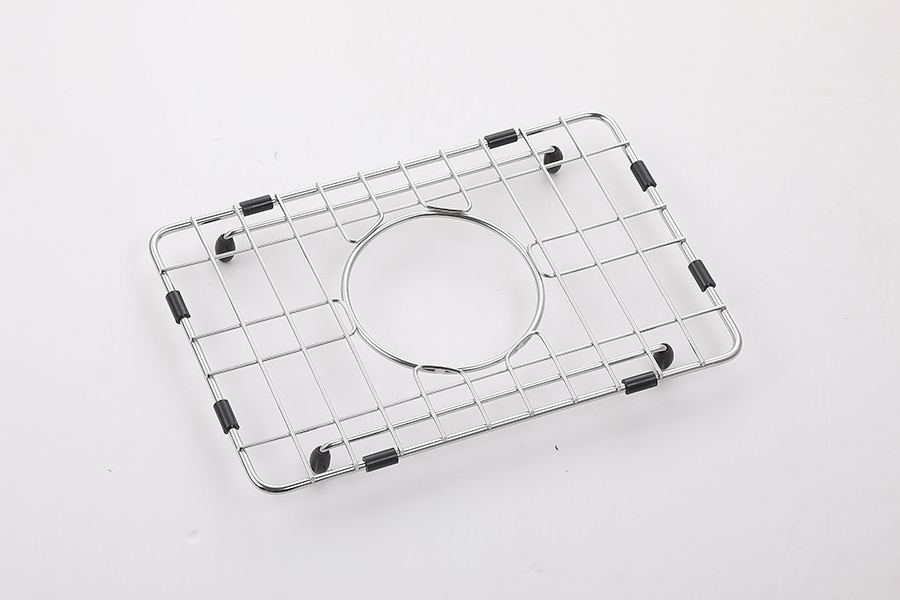
A kitchen sink is one of the hardest-working parts of the home. It handles dishes, heavy cookware, washing vegetables, soaking utensils, and all kinds of daily kitchen tasks. Because of that, the sink bottom often takes the most direct impact. Plates are set down quickly, pans are dragged across the surface, and utensils may fall into the basin many times a day. Over time, even a well-made sink can start to show wear.
A kitchen sink grid helps reduce that direct contact. Instead of letting dishes and cookware press against the sink bottom, the grid takes the first layer of use. This can make the sink surface easier to protect in daily life. For people who want the sink to stay looking cleaner and more presentable over a longer period, this makes a real difference.
The main function of a sink grid is very straightforward. It creates a raised platform inside the sink. That slight lift helps in two ways. First, it keeps the bottom of dishes and cookware from sitting directly on the sink surface. Second, it allows water to flow underneath more easily, which supports better drainage and less direct water pooling around washed items.
This is especially useful after rinsing bowls, cups, or kitchen tools. Instead of sitting flat against the sink bottom, they rest on the grid, and water can move away more freely. That can make the sink feel less messy during use and can also help keep washed items from sitting in leftover water for too long.
Most kitchen sink grids are made from metal, and stainless steel is one of the most common choices because it suits wet kitchen environments well. It gives the grid a firm structure, a clean appearance, and a surface that works naturally with modern sinks and kitchen hardware. Since the product is placed in direct contact with water, cleaning products, and kitchen tools, the material needs to feel dependable in everyday use.
A well-made sink grid should not feel flimsy or unstable. It should be able to support normal kitchen items without bending too easily, and it should remain easy to rinse and wipe clean. In practical terms, buyers often look for a grid that feels strong enough for daily work but simple enough to maintain without extra effort.
Sink protection is one of the biggest reasons people choose a sink grid. Even though sinks are made to handle regular kitchen work, repeated contact with heavy or sharp-edged items can gradually leave visible marks. This is especially true in busy kitchens where large pans, cutlery, and dishes are constantly moving in and out of the basin.
A sink grid helps soften that daily impact. It does not stop every possible mark, but it creates a practical buffer between the sink and the objects being used inside it. For homeowners, this helps maintain a cleaner sink appearance. For project buyers or product distributors, it also adds a useful value point because the grid is not only an accessory. It is a protective solution linked directly to daily sink performance.
A kitchen sink grid is not only about protection. It also helps with drainage. Since the grid lifts items slightly above the sink bottom, water can move around and below them more freely. This creates a more open flow path inside the basin and helps the sink area feel cleaner during use.
That small structural advantage becomes very noticeable in real kitchen routines. Washed vegetables, plates, bowls, and cups are less likely to sit directly in shallow leftover water. The sink also feels more functional when used as a temporary resting place for recently washed items. In this sense, a sink grid works as both a protective tool and a practical organizer.
One reason many people continue using a sink grid after trying one is that it improves the way the sink works as a space. The sink becomes more than just a basin. It becomes a more controlled working area. During food prep, rinsed produce can be placed on the grid briefly without lying flat against the sink surface. During cleanup, cups or bowls can rest there while water drains away.
This creates a small but useful level of order in the sink area. In compact kitchens especially, every bit of organization matters. A sink grid helps make the basin feel more purposeful rather than simply being an open space where everything lands at once.
Kitchen sink grids are available in many shapes and sizes because sink interiors are not all the same. Some are rectangular, some have rounded corners, and some are designed for less standard basin layouts. A good sink grid should fit the shape of the sink as closely as possible so it sits neatly and remains stable during use.
This is why size matching matters. A grid that is too small may slide too easily and fail to protect the full working area. A grid that is too large may sit awkwardly or not fit the basin properly at all. For many buyers, especially those sourcing for multiple sink models, size and shape compatibility are just as important as material quality.
In the sink accessories market, customization is often important because sink sizes and layouts vary widely. A standard grid may work for common sink shapes, but special dimensions or design adjustments are often needed for a better fit. This is especially relevant for brands, wholesalers, and project buyers who want a sink grid to match a specific sink series.
A well-fitted grid looks better, works better, and feels more intentional in use. It sits more securely at the bottom of the basin and gives more complete coverage where protection is needed. For this reason, customization is not simply about appearance. It is closely tied to function and user experience.
A kitchen sink grid is most commonly used in home kitchens, but its usefulness is not limited to residential spaces. It also suits rental properties, serviced apartments, hospitality projects, and other kitchens where sinks are used frequently and need to remain practical over time. In these environments, a simple protective accessory can help reduce wear and make the sink area easier to manage.
In those situations, the sink sees continuous contact with plates, bowls, and cookware, and the grid becomes a quiet but important part of the routine. It helps the sink do its job with less direct wear and more organized drainage.
Choosing the right kitchen sink grid starts with fit. The grid should match the sink’s internal dimensions and general shape as closely as possible. After that, material quality becomes important. A good grid should feel sturdy, smooth, and suitable for repeated contact with water and cookware. The feet or support points should also help it stay stable in the basin rather than shifting constantly during use.
It also helps to think about how the grid will be used. Some buyers need it mainly for protecting the sink bottom. Others want it to support draining and temporary dish placement as well. The best choice usually comes from balancing protection, drainage support, and day-to-day practicality rather than focusing on only one feature.
A kitchen sink grid is one of those products that may seem small at first but becomes surprisingly useful over time. It helps protect the sink, supports drainage, improves basin organization, and adds a more functional layer to one of the busiest areas in the kitchen. Instead of changing the sink itself, it improves the way the sink is used.
That practical value is exactly why sink grids remain relevant. They are easy to understand, easy to use, and directly connected to real daily kitchen problems. For many users, it is a simple upgrade that makes the sink feel more durable and more complete.
A kitchen sink grid is a protective rack placed at the bottom of the sink to help prevent scratches, improve drainage, and create a more organized working surface inside the basin. It may look like a basic accessory, but in everyday use it plays an important role in keeping the sink more practical and better protected. Whether the goal is reducing wear, supporting dish drainage, or improving the overall sink experience, a well-fitted sink grid is a useful addition.
If you are comparing sink grid styles, checking size options, or looking for a stainless steel sink grid that fits your product line or sourcing plan more effectively, feel free to contact us. We can help review suitable specifications and provide practical guidance based on your sink design and market needs.
Previous: How Do You Clean A Stainless Steel Sink
Next: What Drying Rack Dishes?